Wondering whether Walnut Creek feels more like a walkable downtown hub or a classic East Bay suburb? The answer is both, and that is exactly why so many buyers find the city appealing. If you are deciding between the energy of the core and the space of outlying neighborhoods, this guide will help you compare the real lifestyle tradeoffs so you can focus on what fits you best. Let’s dive in.
Walnut Creek Has Two Living Patterns
Walnut Creek is a built-out city with two clear residential patterns. One centers on the downtown core, where mixed-use development, higher-density housing, and transit access shape daily life. The other extends into lower-density neighborhoods, where single-family homes and a quieter residential feel are more common.
The city reports 33,969 housing units, with about 37% single-family detached, 48% multifamily condos or apartments, and 15% single-family attached homes or townhomes. That mix helps explain why Walnut Creek can work for very different buyers, from someone seeking a condo near BART to someone looking for a detached home with more separation from neighbors.
Downtown Walnut Creek Lifestyle
Housing Near the Core
Downtown Walnut Creek is the city’s most urbanized area. The core was intentionally shaped to be pedestrian-friendly, with mixed-use development and higher-rise activity concentrated near Walnut Creek BART.
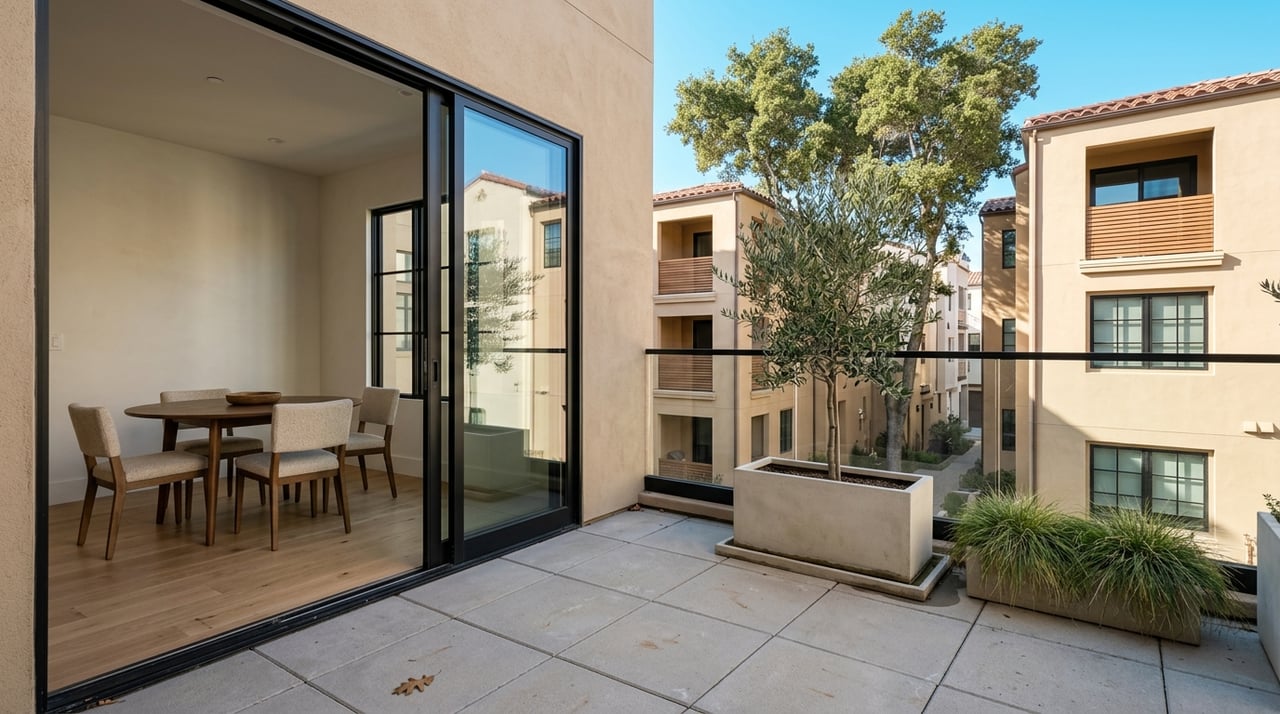
In practical terms, that usually means more apartments, condos, and mixed-use residential buildings. If you want a lower-maintenance home base and are comfortable trading some private outdoor space for convenience, downtown may feel like a strong fit.
Walkability and Daily Convenience
If walkability is high on your list, downtown stands out. The area brings together dining, shopping, arts, and entertainment in a compact setting, with Broadway Plaza, a year-round farmers market on Locust Street, Civic Park, the library, and the Iron Horse Trail connection all close together.
The self-guided downtown walking tour covers more than 100 sites across four blocks, which says a lot about how concentrated the core is. For many residents, that makes it easier to build errands, meals, and recreation into the same outing instead of planning each stop by car.
Transit and Commuting Perks
Downtown has the clearest edge for transit-first buyers. Walnut Creek BART is located at 200 Ygnacio Valley Road and is served by County Connection, Soltrans, and Wheels, with bike racks and 72 on-demand BikeLink lockers at the station.
Route 4 adds another convenience layer. County Connection shows this free shuttle runs between Walnut Creek BART and Broadway Plaza every 15 minutes on weekdays and every 20 minutes on weekends. If your routine includes commuting, dining out, or quick trips around the core, that kind of connection can make day-to-day life feel much easier.
Parking and Pace of Life
Downtown parking is more structured and actively managed than in lower-density neighborhoods. The city lists metered street parking, several garages, and a downtown parking fund that supports landscaping, sidewalk cleaning, the Free Downtown Trolley, downtown policing, and community events.
That setup tends to create a busier and more commercial feel. Some buyers love that sense of activity, while others prefer streets that feel more private and purely residential.
Suburban Walnut Creek Lifestyle
Lower-Density Housing Options
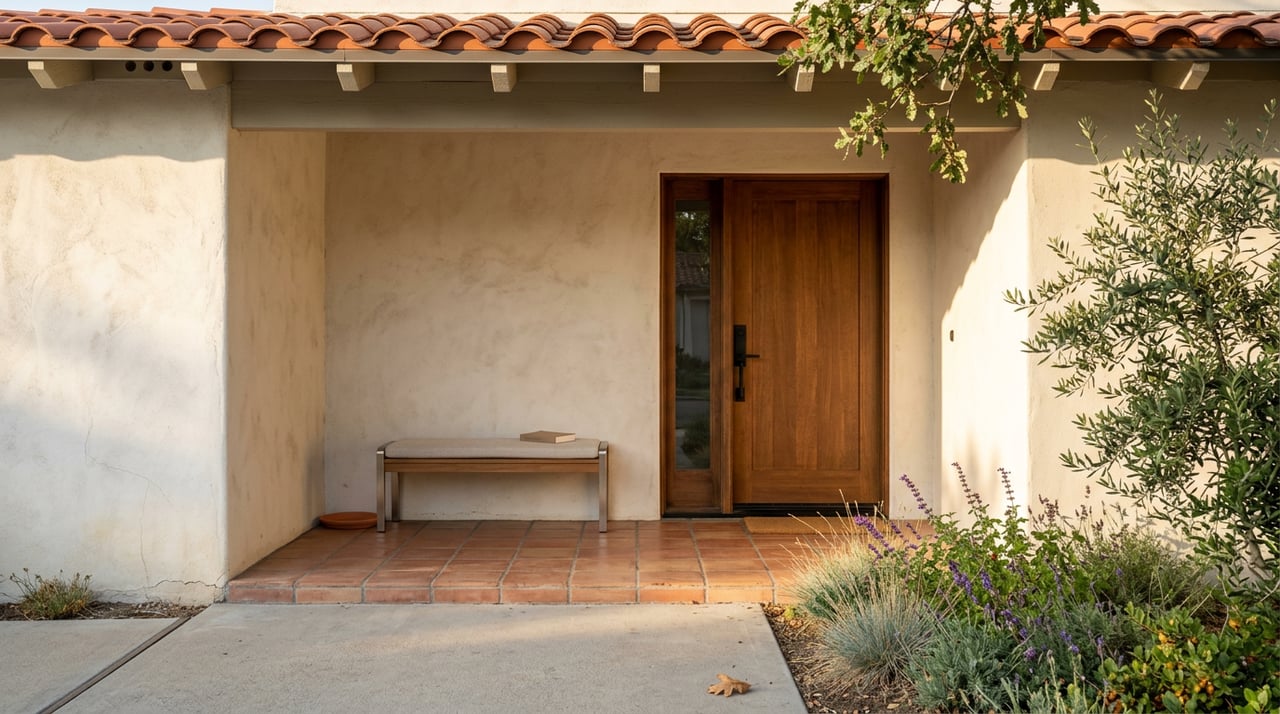
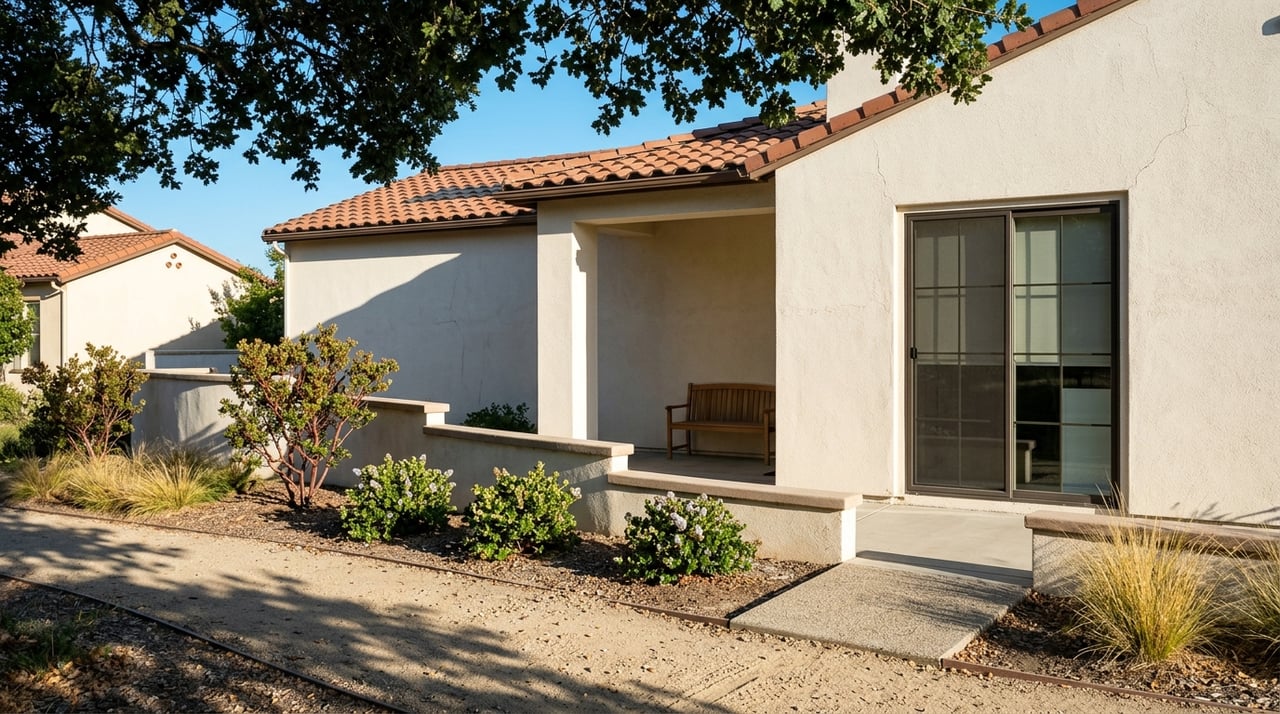
Outside the core, Walnut Creek shifts into a more traditional suburban pattern. Single-family zoning is a major part of the city, and typical residential forms in those districts are detached homes, while multifamily districts allow townhomes, condos, and apartments.
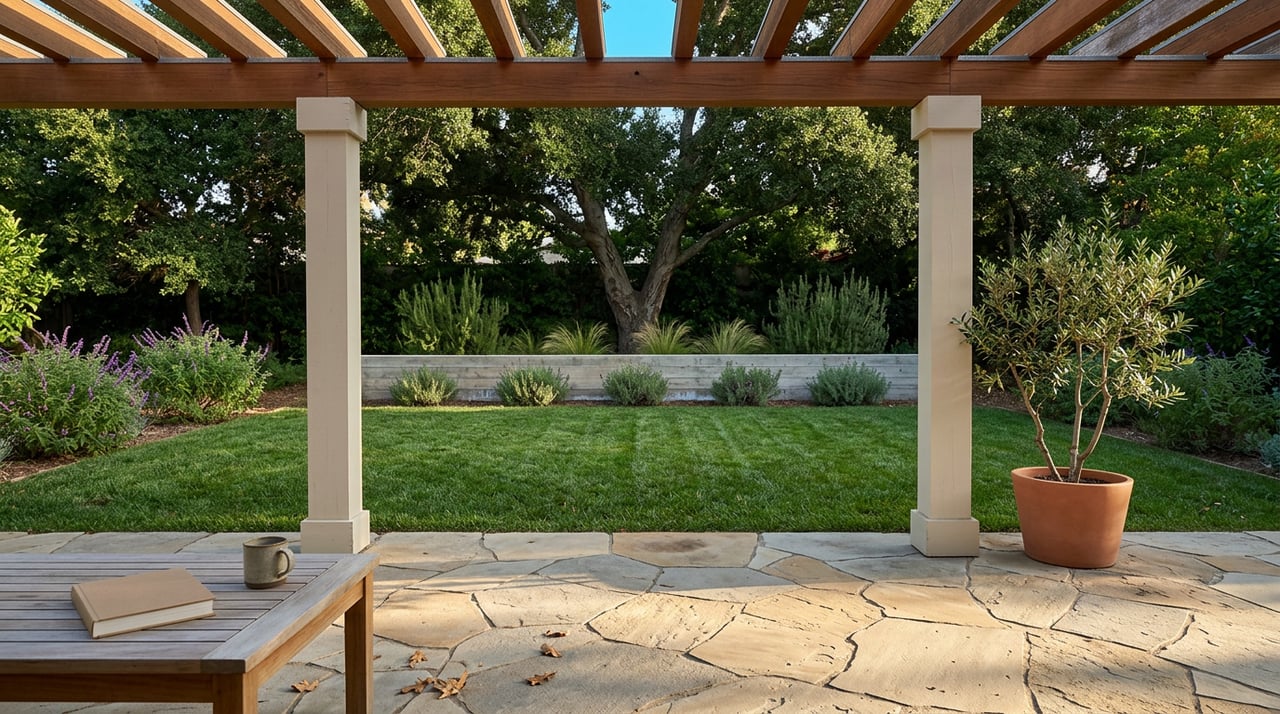
Most single-family residential properties are generally limited to 25 feet or two stories, while multifamily buildings can be taller. For you as a buyer, that often translates into a less vertical street profile and a stronger chance of finding more yard space and separation between homes.
A Calmer Residential Feel
Suburban Walnut Creek is often the better fit if you want a quieter home environment. The tradeoff is that convenience tends to be more node-based than foot-based, meaning you may drive between shopping, services, parks, and dining rather than reach several of them in one walk.
That does not mean outer neighborhoods are disconnected. It simply means the daily rhythm is usually different from downtown, with more emphasis on space and privacy than immediate access to the core’s amenities.
Transit Still Works, but Differently
Buyers sometimes assume suburban areas mean poor commute options, but Walnut Creek’s outer areas are better connected than many expect. County Connection routes include service tied to Rossmoor, Shadelands, Creekside, Diablo Valley College, San Ramon, Bishop Ranch, and BART connections.
The key difference is that transit access in suburban areas depends more on your exact location. Being near a useful route, park-and-ride option, or BART connection can make a big difference in how convenient your commute feels.
Open Space and Recreation Access
One of suburban Walnut Creek’s biggest strengths is outdoor access. The city’s Open Space division manages more than 3,000 acres across four areas and more than seven miles of neighborhood trails. Shell Ridge has 31 miles of trails, and Lime Ridge has 25 miles.
If you picture your ideal routine including hiking, biking, dog walking, or easy access to open land, this part of Walnut Creek may feel especially appealing. Many buyers see that outdoor access as a major advantage over living in the core.
Downtown Outdoor Space vs Suburban Nature Access
This is not really a case of downtown having parks and suburban areas having nature. Walnut Creek offers both, but in different forms.
Downtown includes Civic Park, a 16.7-acre park with playgrounds, picnic areas, a community center, a library, an ice rink, Civic Arts Studios, and access to the Iron Horse Trail. Heather Farm Park adds about 100 acres as a major citywide recreation hub.
The difference is how those spaces fit into daily life. Downtown gives you compact civic green space woven into a walkable setting, while suburban areas often offer faster access to larger trail systems and open-space land.
A Note on Walnut Creek Addresses
One detail that can matter during your home search is that some neighborhoods with a Walnut Creek address are outside the city limits. The city identifies Northgate, Saranap, the Pleasant Hill BART vicinity, and portions of Walnut Heights as Walnut Creek-address neighborhoods under Contra Costa County jurisdiction.
That matters because two homes with a Walnut Creek mailing address may not fall under the same local government. If you are comparing downtown Walnut Creek with a suburban-feeling area nearby, it is worth confirming whether the property is in the city or in unincorporated county area.
Which Lifestyle Fits You Best?
Downtown May Fit You If
Downtown Walnut Creek often makes sense if you want:
- A condo, apartment, or mixed-use home with less maintenance
- Walkable access to dining, shopping, and civic spaces
- Easier day-to-day access to Walnut Creek BART
- A more social, active environment
- Convenience over square footage or yard space
Suburban Areas May Fit You If
Suburban Walnut Creek often makes sense if you want:
- A detached home or lower-density setting
- More privacy and separation between homes
- A calmer residential pace
- Better access to open space, trails, and larger parks
- More room, even if it means less walkability
The Middle Ground Is Growing
If your preferences fall somewhere between these two lifestyles, Walnut Creek’s ongoing infill pipeline is worth watching. The city’s development projects include transit-oriented and mixed-use housing such as Walnut Creek Transit Village.
That means the city is continuing to add housing that blends convenience, newer construction, and access to transit. For some buyers, that can offer a middle path between a fully urban downtown feel and a more conventional suburban setup.
Choosing between downtown and suburban Walnut Creek comes down to what you want your daily life to feel like. If you want space, privacy, and direct access to trails, the suburban side may be your best match. If you want walkability, a lower-maintenance home, and easier access to BART, downtown may check more of your boxes. If you want help comparing specific neighborhoods, home types, or commute patterns in Walnut Creek, May Taliaferro Bell can help you narrow the search with local, practical guidance.
FAQs
Is downtown Walnut Creek more walkable than suburban Walnut Creek?
- Yes. Downtown Walnut Creek has the city’s most concentrated mix of shopping, dining, civic spaces, and pedestrian-friendly development, which makes it the stronger choice for walkability.
Does suburban Walnut Creek still offer transit access?
- Yes. County Connection serves many outer areas, including routes tied to BART and regional job centers, but convenience depends more on your exact location and nearby route options.
What types of homes are more common in downtown Walnut Creek?
- Downtown land-use categories allow high-density apartments, condominiums, and mixed-use residential buildings, so attached and multifamily housing is more common there.
What types of homes are more common in suburban Walnut Creek?
- Lower-density areas are more strongly associated with single-family homes, along with some townhomes, condos, and apartments in multifamily districts.
Is Walnut Creek good for outdoor recreation?
- Yes. Walnut Creek has strong outdoor access, including more than 3,000 acres of open space, neighborhood trails, Civic Park, Heather Farm Park, and large trail systems such as Shell Ridge and Lime Ridge.
Are all Walnut Creek-address neighborhoods inside Walnut Creek city limits?
- No. Some neighborhoods with a Walnut Creek address, including Northgate, Saranap, the Pleasant Hill BART vicinity, and portions of Walnut Heights, are under Contra Costa County jurisdiction rather than the city.