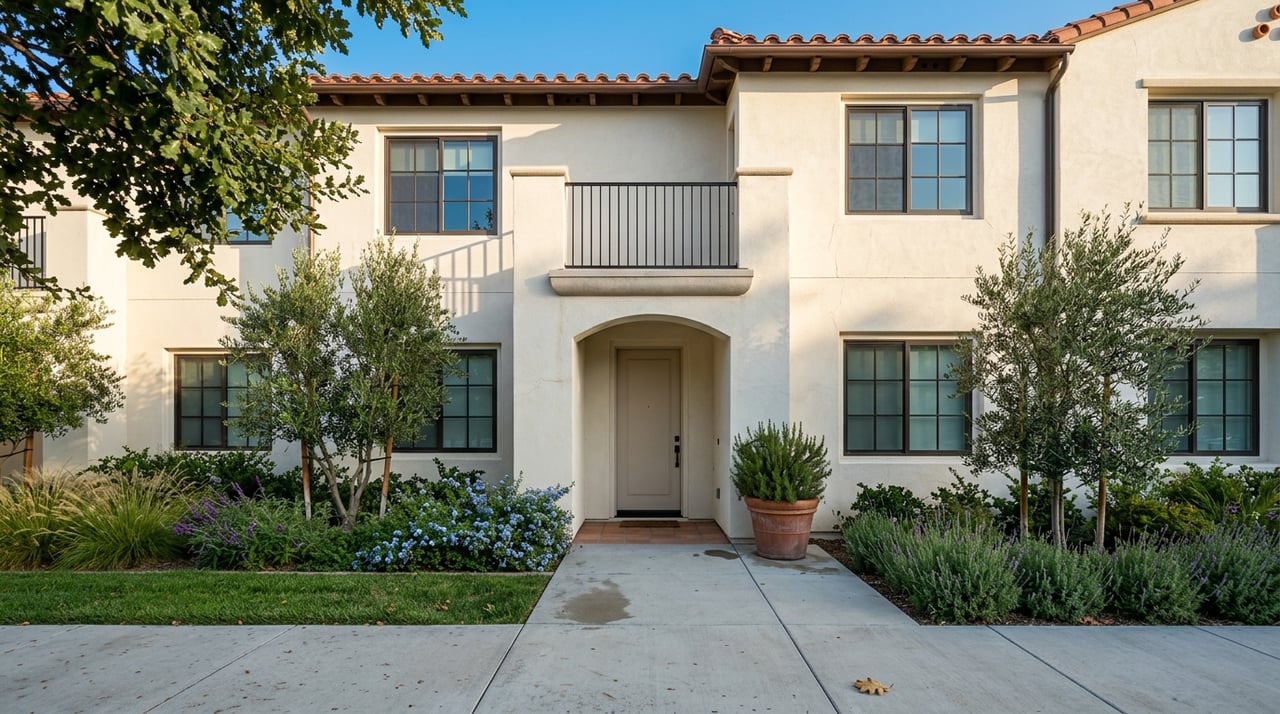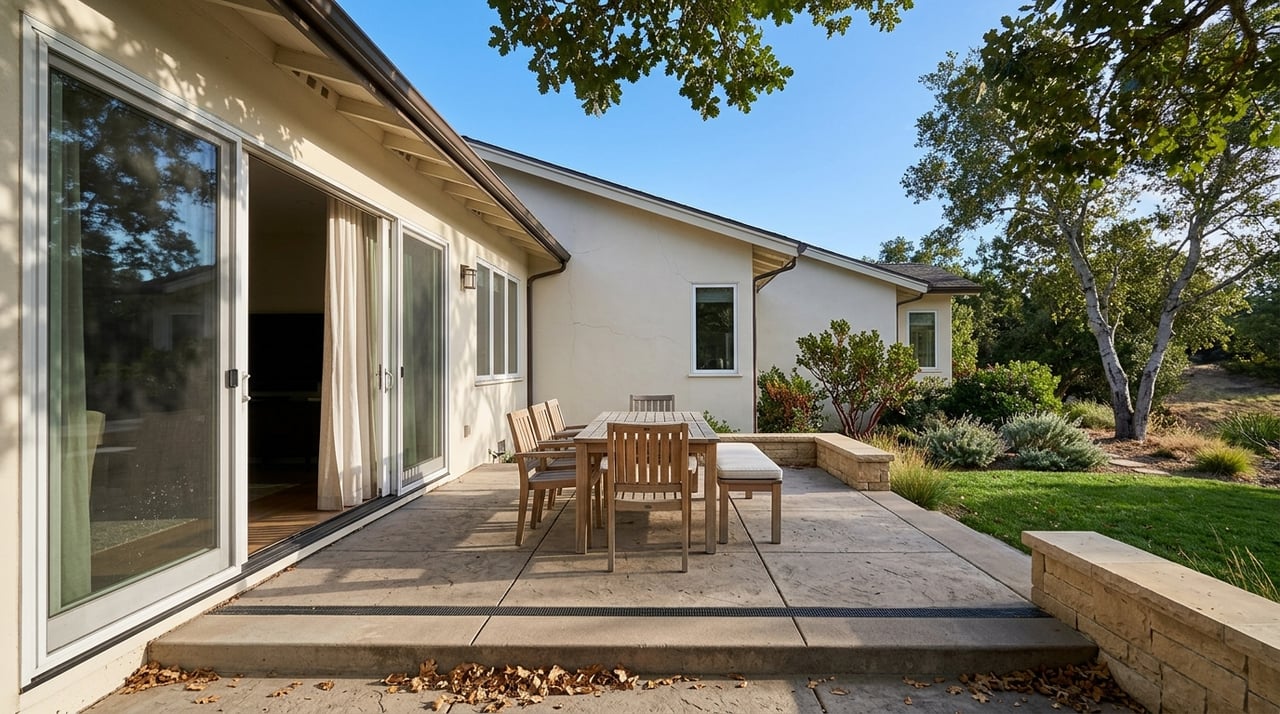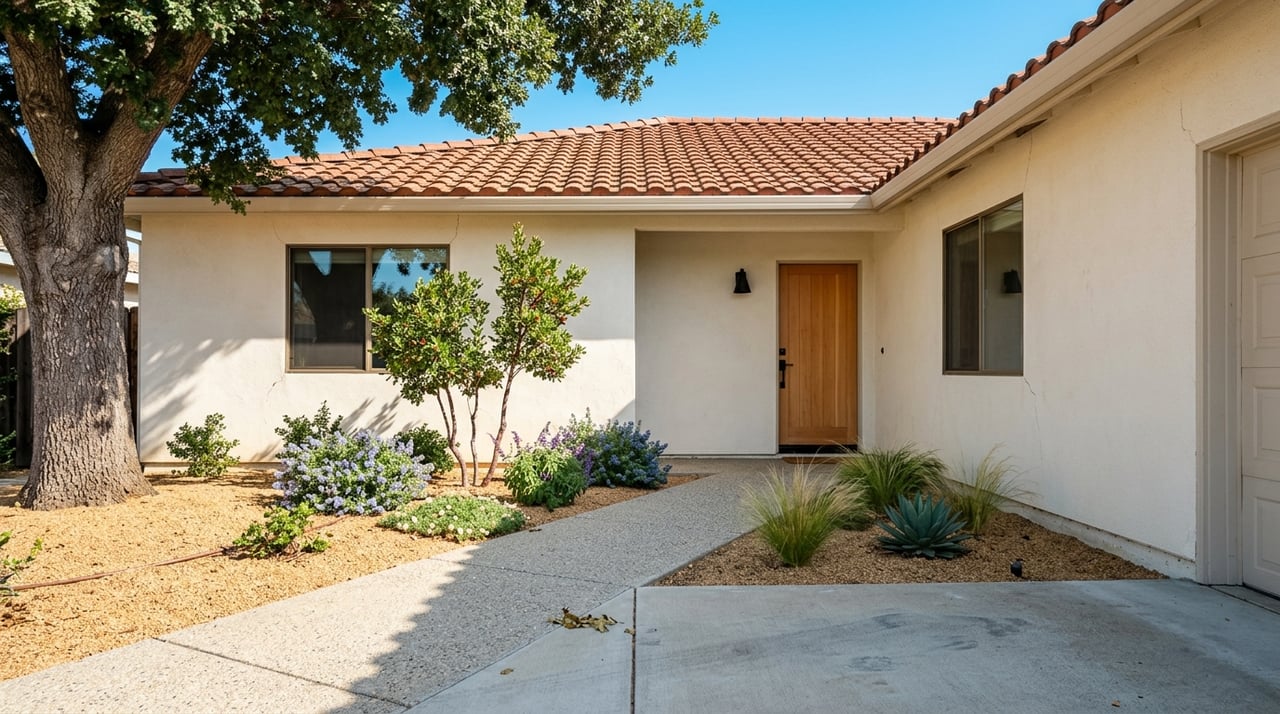
Selling your first home can feel simple on paper and overwhelming in real life. In Pleasant Hill, the market is moving fast, which can be a real advantage for sellers, but it also means your prep, pricing, and paperwork need to be ready from day one. This guide walks you through what to expect, what to prioritize, and how to avoid common mistakes so you can move forward with more confidence. Let’s dive in.
Pleasant Hill Market Snapshot
If you are selling for the first time, start with the local pace of the market, not broad Bay Area headlines. In Pleasant Hill, homes are currently very competitive, receive about 1 offer on average, sell in around 14 days, and close at about 101.1% of list price. Nearly 46.7% of homes sold above list price in the latest snapshot, while 25.3% had price drops.
That mix tells an important story. Buyers are active, but pricing still matters. A fast market does not mean every home can be listed high and still expect the best result.
County numbers can also be useful for background, but they should not drive your pricing strategy. Contra Costa County reports vary by source, and Pleasant Hill itself has its own pricing and timing patterns, so your home should be evaluated against nearby comparable sales instead of countywide averages.
Why Prep Matters in a Fast Market
When homes are going under contract in about two weeks, most of the work happens before your listing goes live. Waiting for the perfect season or planning to fix things after buyers start touring can put you behind. In a market like Pleasant Hill, strong preparation helps you hit the market ready.
That does not mean you need a full remodel. For most first-time sellers, the smarter approach is to focus on safety, obvious defects, and presentation.
Start With the Basics
Before listing, it helps to tackle the items buyers notice right away. These usually include clutter, cleanliness, deferred maintenance, and anything that looks broken or unfinished. Small issues can raise bigger questions in a buyer’s mind, even in a competitive market.
A practical pre-listing checklist often includes:
- Decluttering each room
- Deep cleaning the home
- Completing visible repairs
- Touching up paint where needed
- Improving curb appeal
- Staging or arranging furniture to show space clearly
The goal is not perfection. The goal is to present a home that feels cared for, functional, and easy for buyers to understand.
Should You Get a Pre-Sale Inspection?
A pre-sale inspection is not required, but it can be a helpful step. It gives you a chance to learn about issues before showings begin and decide what to repair, disclose, or price around.
For first-time sellers, this can reduce surprises later. If a buyer discovers a problem during escrow, that issue can lead to renegotiation, repair requests, or even cancellation depending on the contract terms.
Pleasant Hill Pricing Strategy
Pricing is one of the biggest decisions you will make. In Pleasant Hill, where homes are averaging about 14 days on market and selling at 101.1% of list price, the right price can help create urgency. The wrong price can lead to stale interest and price reductions.
This is where hyperlocal data matters. Pleasant Hill’s latest median sale price trends do not always move in the same direction as Contra Costa County overall, which is a reminder that East Bay micro-markets can behave very differently.
Avoid the First-Time Seller Trap
Many first-time sellers assume a hot market means they should start high and negotiate down later. In practice, aggressive overpricing can weaken momentum. Buyers today are still comparing options, and if your home feels out of line with recent neighborhood comps, they may wait or move on.
A more effective strategy is to anchor price to recent local comparable sales, current competition, and your home’s condition. That approach gives you a better chance of attracting serious buyers early, which matters in a city where many homes move quickly.
California Disclosures to Know
Disclosures are a major part of selling a home in California. If this is your first sale, this part can feel intimidating, but it is one of the most important steps in the process.
Transfer Disclosure Statement
California’s Real Estate Transfer Disclosure Statement is a core seller document. You, as the seller, complete it to disclose property condition and known hazards or defects.
The seller’s agent also has a role. California DRE states that the agent is responsible for a visual inspection of the property and for disclosing readily observable defects.
Timing matters too. Under California Civil Code 1102.3, required disclosures should be delivered as soon as practicable before title transfer. If a required disclosure or material amendment is delivered after an offer is already signed, the buyer generally has a limited right to cancel based on how the disclosure was delivered.
Natural Hazard Disclosures
Natural hazard disclosures are especially relevant in California. The statutory form can cover mapped earthquake fault zones, seismic hazard zones, fire hazard severity zones, wildland fire areas, and flood-related zones.
For Pleasant Hill specifically, flood risk is worth reviewing carefully. The city notes that creeks can flood during torrential rains, and lenders may require flood insurance if a property is located in a Special Flood Hazard Area.
Lead-Based Paint Disclosure
If your home was built before 1978, lead-based paint disclosure rules apply. Sellers must disclose any known lead-based paint or lead hazards before the contract is signed, provide available records or reports, and give the required lead information pamphlet.
There is also a 10-day opportunity for the buyer to conduct a lead inspection or risk assessment unless both parties agree אחרת. If your home falls into this age category, it is smart to gather your records early.
Evaluating Offers Beyond Price
When offers come in, it is easy to focus only on the highest number. But the best offer is not always the one with the highest price.
You should also look at:
- Financing terms
- Contingencies
- Closing timeline
- Earnest money
- Whether the buyer needs to sell another home first
A clean, well-supported offer can be more reliable than one that looks strong at first glance but has more ways to fall apart later.
Contingencies Still Matter
Even in a competitive market, contingencies can affect your outcome. A buyer can often cancel without penalty if an inspection contingency is not satisfied. If the appraisal comes in low, that can also trigger renegotiation or require other changes depending on the contract.
This is another reason prep and pricing matter so much. If your home is well presented and realistically priced from the start, you reduce the odds of avoidable friction once you are in contract.
What First-Time Sellers Should Budget For
Your sale price is only one part of the picture. As a first-time seller, it helps to understand some of the costs that affect your net proceeds.
One local example is transfer tax. Contra Costa County’s documentary transfer tax is $0.55 per $500, and the City of Pleasant Hill property transfer tax is $0.275 per $500. Combined, that equals $1.65 per $1,000 of sale price.
Using Pleasant Hill’s latest Redfin median sale price of $943,935, that combined transfer tax would be about $1,557. This is one reason many sellers benefit from reviewing a net sheet early, before choosing a list price or making repair decisions.
What Happens During Escrow
Once you accept an offer, the sale moves into escrow. This is the stage where funds and documents are held until the contract conditions are completed.
For first-time sellers, escrow often feels like a paperwork-heavy waiting period, but it is really an active timeline with deadlines, disclosures, inspections, and coordination. The final closing statement will show the credits and debits tied to the transaction.
In a fast market, smooth escrow management matters. Clear communication and organized timelines can help keep the process on track from contract to closing.
A Simple First-Time Seller Plan
If you want to keep the process manageable, focus on these steps:
- Review recent Pleasant Hill comps
- Decide which repairs matter most
- Prepare the home before listing
- Gather disclosure information early
- Price based on local data, not guesswork
- Compare offers on terms, not just price
- Stay organized through escrow and closing
Selling your first home is a big milestone. With the right local strategy, it can also be a smoother and more informed experience than you might expect.
If you are thinking about selling in Pleasant Hill and want steady, data-driven guidance from start to finish, May Taliaferro Bell can help you build a smart plan, prepare your home, and navigate each step with confidence.
FAQs
What is the Pleasant Hill market like for first-time home sellers?
- Pleasant Hill is currently a relatively fast-moving seller market, with homes selling in about 14 days on average, closing at about 101.1% of list price, and nearly 46.7% selling above list price in the latest snapshot.
What repairs should first-time sellers make before listing a Pleasant Hill home?
- Focus on safety issues, obvious defects, and presentation items like decluttering, deep cleaning, and visible repairs rather than taking on a full remodel.
Do Pleasant Hill home sellers need a pre-sale inspection?
- No, a pre-sale inspection is not required, but it can help you identify issues before showings and reduce the risk of surprises during escrow.
What disclosures are required when selling a home in Pleasant Hill, California?
- Sellers generally need to complete the Transfer Disclosure Statement, provide Natural Hazard Disclosures, and give lead-based paint disclosures if the home was built before 1978.
How should first-time sellers price a home in Pleasant Hill?
- Pricing should be based on recent Pleasant Hill and neighborhood-level comparable sales, current competition, and the home’s condition rather than countywide averages.
What costs should first-time sellers expect in Pleasant Hill?
- One important local cost is transfer tax, which combines Contra Costa County and City of Pleasant Hill rates for a total of $1.65 per $1,000 of sale price.
What should Pleasant Hill sellers look at besides offer price?
- You should compare financing terms, contingencies, earnest money, and closing timeline because the highest offer is not always the strongest or most likely to close.