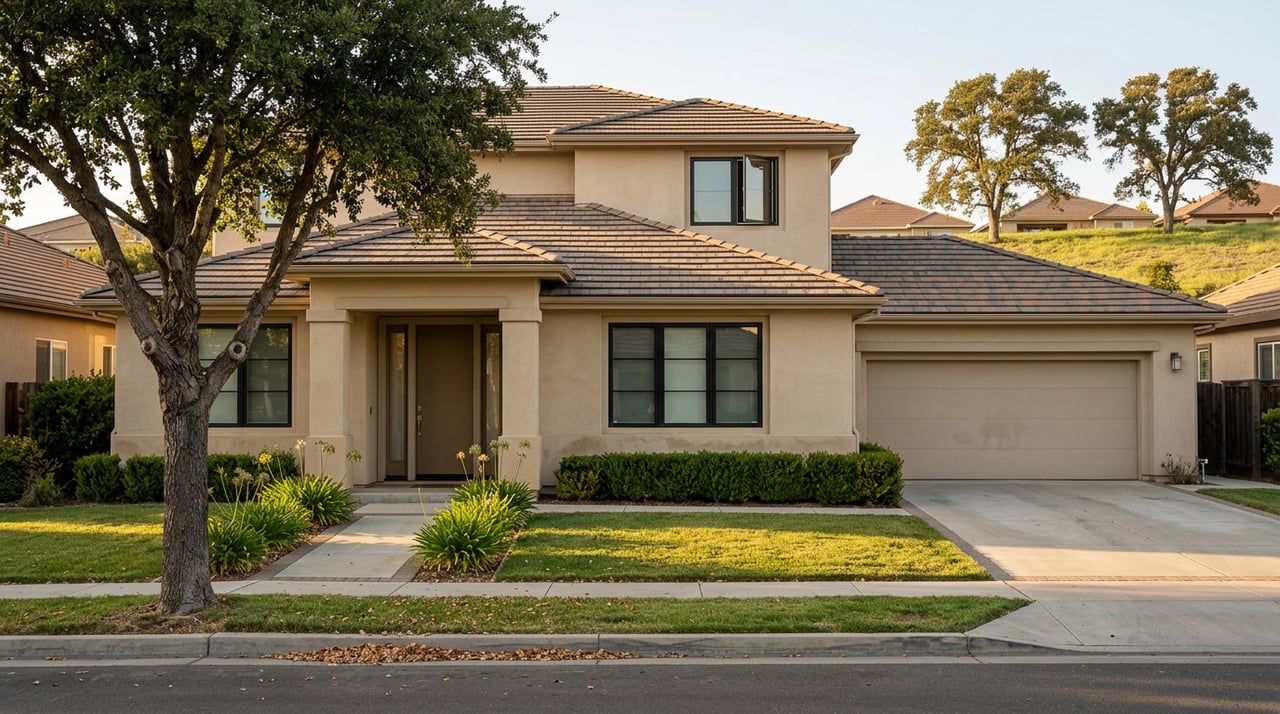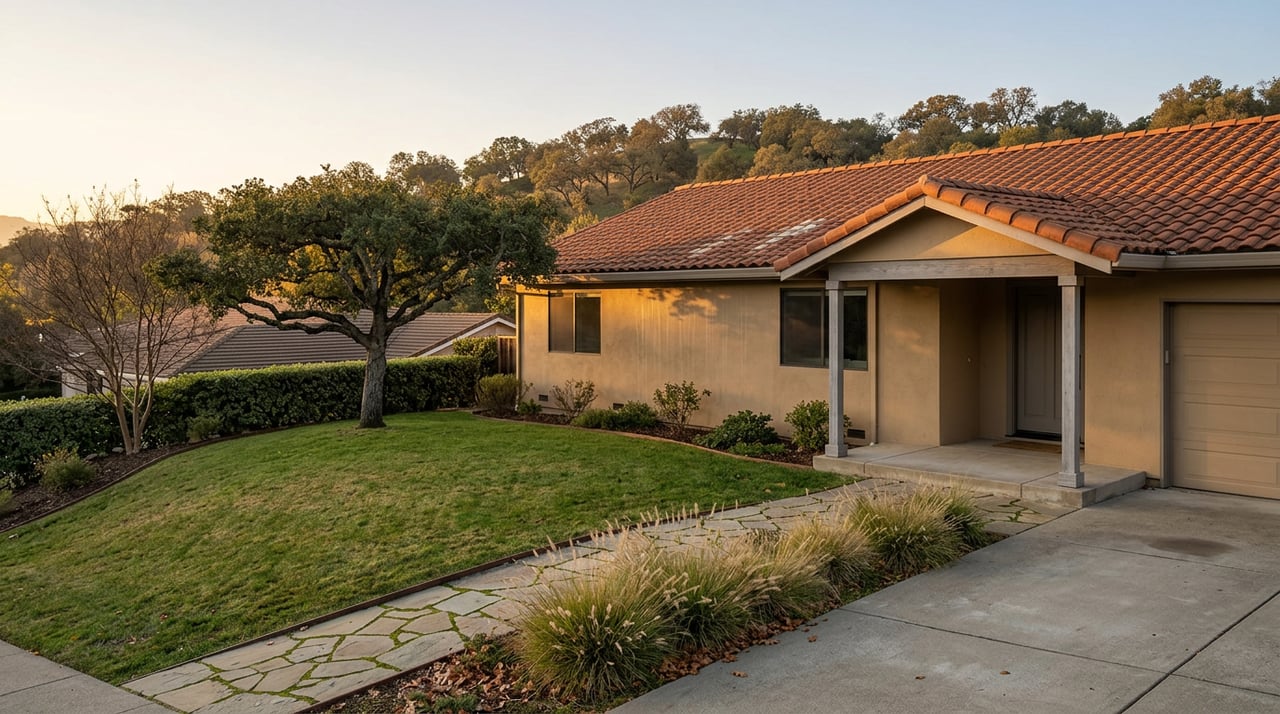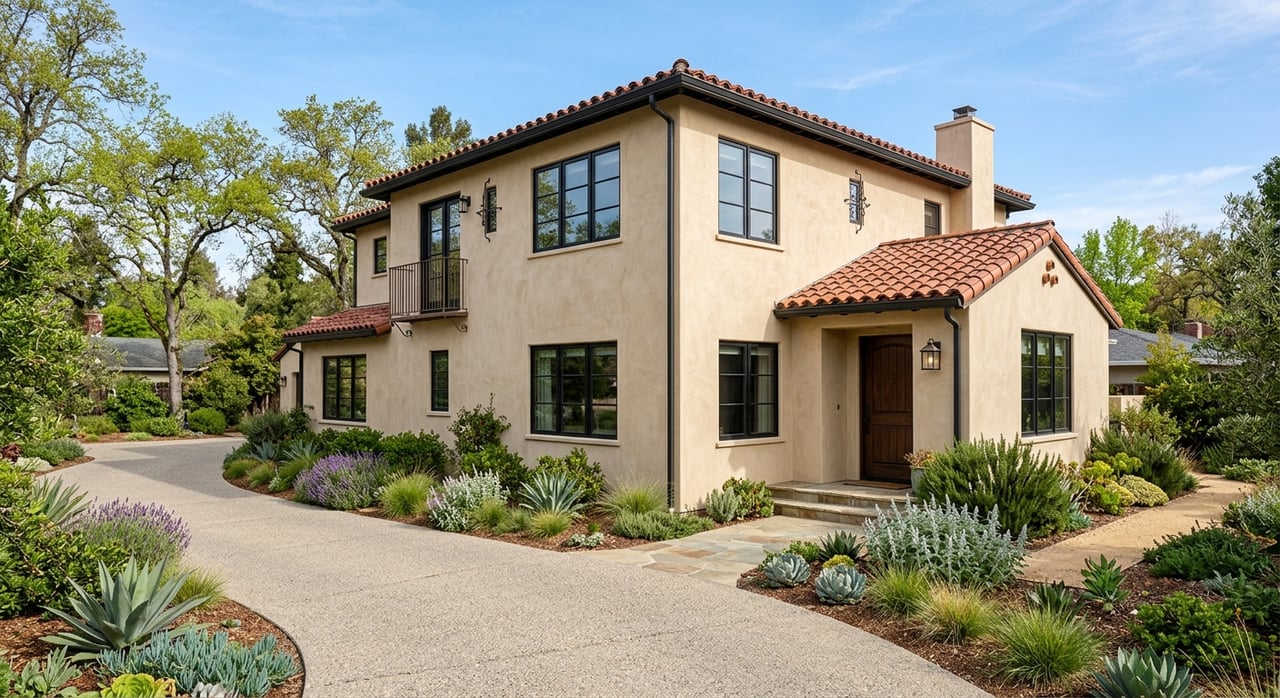
Thinking about moving up in Pleasanton? You are not alone, and you are not imagining the pressure. When homes are selling quickly and buyers are still paying about 101% of list price on average, planning your next purchase takes more than browsing listings and hoping the timing works out. The good news is that with a clear strategy, you can protect your budget, reduce stress, and make smart decisions about when to sell, when to buy, and how to connect both moves. Let’s dive in.
Pleasanton market conditions matter
If you are planning a move-up purchase, your first step is understanding the local pace of the market. In March 2026, Bay East reported 54 active detached homes in Pleasanton and Sunol, 29 sales, about 2.1 months of inventory, a median sales price of $1.47 million, and an average of about 15 days on market.
That tells you two important things. First, well-positioned homes can still move quickly. Second, if your next purchase depends on the sale of your current home, timing matters because you may not have a long window to make decisions.
The broader East Bay also points to a market that still rewards preparation. Bay East reported stronger spring buyer activity year over year, while inventory remained below March 2025 levels. For move-up buyers in Pleasanton, that means you should build your plan before your home hits the market, not after.
Start with your real budget
A move-up purchase is not just about how much more house you want. It is about how much of your sale proceeds can realistically go toward the next home after you account for down payment needs, closing costs, and ongoing monthly expenses.
California DRE says buyers commonly need about 5% to 20% down, plus another 3% to 7% of the purchase price for closing costs. DRE also notes that HOA dues, special taxes, assessments, escrow charges, and title costs can all affect the true cost of ownership.
That is why your current home equity should be treated as a planning tool, not a rough estimate. Before you start shopping seriously, you want a realistic sense of your likely net proceeds and how those funds line up with your payment comfort zone.
Mortgage rates also shape that budget. Freddie Mac reported an average 30-year fixed rate of 6.37% as of May 7, 2026. Even a small rate shift can affect your monthly payment, so it helps to look beyond sticker price and focus on what the full payment would feel like in real life.
Choose the right move-up sequence
One of the biggest move-up decisions is simple on paper and tricky in practice: should you sell first or buy first? The right answer depends on your equity, cash reserves, financing options, and comfort with risk.
Sell first for more certainty
Selling first is often the most conservative approach. If you need proceeds from your current home to fund the next purchase, this path gives you a clearer budget and reduces the chance of carrying two homes at once.
This approach can also help you shop with more confidence. Once your current home is sold, you know how much cash you have available and you can make decisions with fewer unknowns.
The tradeoff is timing. You may need a plan for where you will live between closings if your next home is not ready in time.
Buy first for more flexibility
Buying first can work if you have strong cash reserves or can afford a short overlap period. It may give you more time to find the right replacement home without feeling rushed by your sale timeline.
But this option comes with real risk. If your current home does not sell as quickly as expected, you could end up covering two housing payments for a period of time.
In a fast-moving market like Pleasanton, that overlap can create stress if you have not mapped out the numbers in advance. This is where careful financing and timeline planning become essential.
Use bridge timing carefully
A short-term bridge loan can sometimes help cover the gap between buying your next home and selling your current one. CFPB identifies a temporary bridge loan with a term of 12 months or less as a short-term option for buyers planning to sell a current dwelling within that time.
For move-up buyers, the main value of bridge financing is flexibility. It can reduce pressure to rush your sale or settle too quickly on your next purchase.
That said, bridge financing is still a timing tool, not a shortcut around budgeting. You want to understand the costs, the timeline, and the backup plan before using it.
Contingencies can protect your move
In a competitive market, it is easy to feel like every offer has to be stripped down to win. But for move-up buyers, the right contingencies can be what keeps one transaction from disrupting the other.
Financing contingency
California DRE says a typical purchase contract includes a financing contingency unless the buyer is paying all cash or the offer specifically removes it. DRE also says that if financing is not obtained within the agreed time, the buyer must either cancel the contract or remove the contingency and proceed.
California DFPI adds that getting pre-qualified does not replace the need for a financing contingency. If you move forward without one, your deposit may be at risk.
That matters in Pleasanton because homes can move quickly. A fast market does not eliminate financing risk, so your offer strategy should balance competitiveness with protection.
Inspection contingency
Inspections are just as important in a move-up purchase. California DRE and DFPI both note that buyers should inspect before closing, use inspection conditions to request repairs if needed, and be ready to cancel if a seller will not address material issues.
If you are juggling a sale and a purchase, it can be tempting to compress the timeline. Still, inspections, repair discussions, and the final walk-through need room in your plan.
A move-up purchase usually works best when you leave enough time for due diligence instead of assuming everything will go smoothly on a rushed schedule.
Sale-of-current-home contingency
For many move-up buyers, this is the key contract tool. California DRE says that with a sale-of-current-home contingency, you are not obligated to complete the new purchase unless your existing property closes.
DRE also notes that the seller of the replacement home may keep marketing the property and accept another offer, or keep it available only for backup offers. If the seller keeps marketing, you may be asked to remove the contingency within a stated period or the deal can end.
This is why timing, communication, and pricing your current home correctly are so important. The stronger and more predictable your sale looks, the more workable this contingency becomes.
Plan for occupancy after closing
Sometimes the cleanest move-up strategy is selling your current home and staying in it for a short period after closing. If you need that extra time, California DRE says post-close occupancy should be handled through a separate written occupancy agreement.
That is an important detail because it makes the timeline clear for everyone involved. It also turns a stressful gap into a negotiated part of the transaction rather than an informal arrangement.
For Pleasanton homeowners, this can be especially useful when your current home sells quickly but your next home has a slightly different closing schedule. A written agreement helps keep expectations aligned.
Prep your Pleasanton home early
If your move-up budget depends on maximizing your sale proceeds, early preparation matters. Bay East data shows Pleasanton and Sunol detached homes averaged about 15 days on market in March 2026, which means you may not have much time to react once your home is listed.
That is why the work often starts before the first showing. Cleaning up deferred maintenance, improving presentation, organizing a pricing strategy, and mapping out your purchase timeline can all strengthen your position.
In a market where buyers are still active and inventory remains relatively limited, strong preparation can help you protect both your timeline and your next-home budget.
Why coordination makes the difference
A move-up purchase is really two transactions that need to support each other. You are managing pricing, financing, showings, contingencies, inspections, escrow deadlines, title work, and possibly post-close occupancy all at once.
California DRE describes escrow as a neutral third party that helps ensure contract terms are satisfied, and it notes that title insurance protects the buyer and lender against unknown title defects. In practical terms, that means there are many moving parts, and they work best when someone is keeping them aligned.
That is where coordinated, full-service guidance can make a real difference. When your strategy is built around your timeline, your budget, and your comfort level with risk, the move-up process feels much more manageable.
If you are thinking about buying your next home in Pleasanton, start with a plan that connects both sides of the move. May Taliaferro Bell offers warm, data-driven guidance and full-service support to help you map out timing, pricing, and next steps with confidence.
FAQs
What is a move-up home purchase in Pleasanton?
- A move-up home purchase means selling your current home and buying a larger, more expensive, or better-fitting home in Pleasanton, often using equity from your current property to help fund the next purchase.
Should you sell first or buy first in Pleasanton?
- Selling first usually offers more budget certainty, while buying first may offer more flexibility if you have the financial ability to handle a temporary overlap.
How fast are detached homes selling in Pleasanton?
- Bay East reported that detached homes in Pleasanton and Sunol averaged about 15 days on market in March 2026.
How much do Pleasanton move-up buyers need for down payment and closing costs?
- California DRE says buyers commonly need about 5% to 20% down plus roughly 3% to 7% of the purchase price for closing costs.
What is a sale-of-current-home contingency in California?
- It is a contract condition that says you do not have to complete the purchase of your next home unless your current home closes, subject to the terms of the agreement.
Can you stay in your Pleasanton home after closing?
- Yes, but California DRE says that post-close occupancy should be handled through a separate written occupancy agreement.
Why is preapproval important for a Pleasanton move-up purchase?
- In a market where homes can move quickly, preapproval helps you understand your payment range and strengthens your planning, although it does not replace financing protections in the contract.