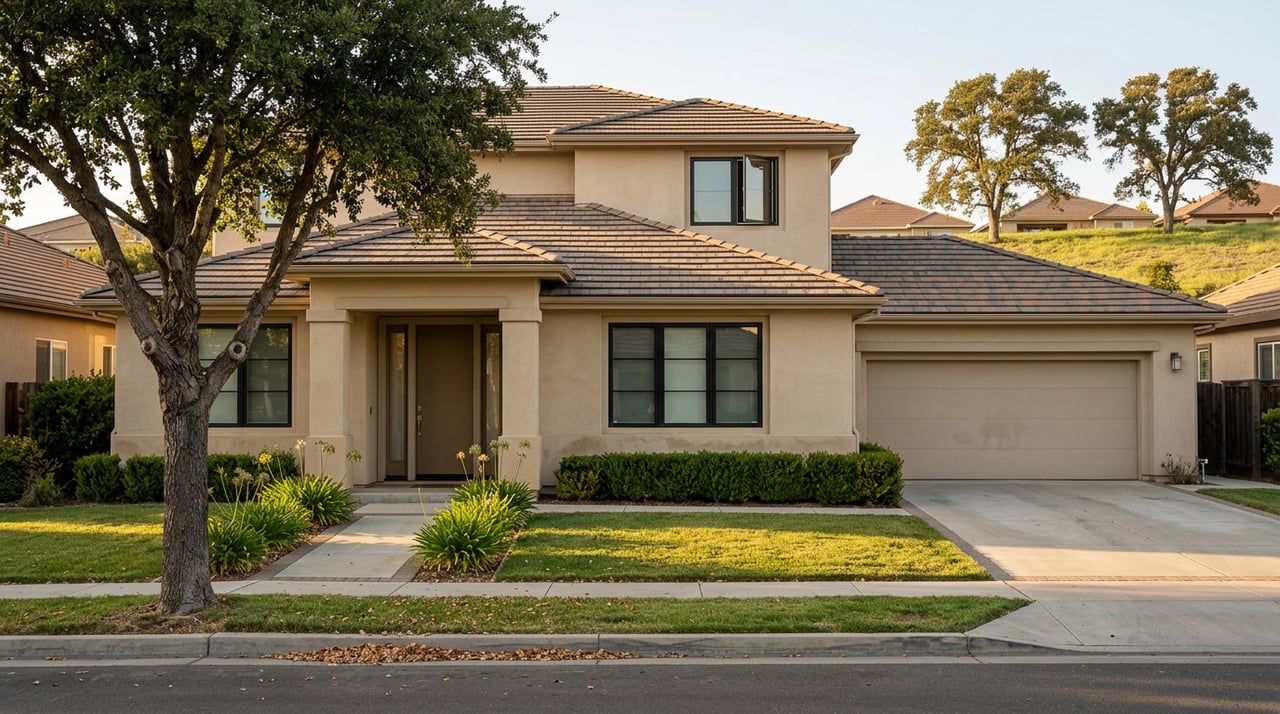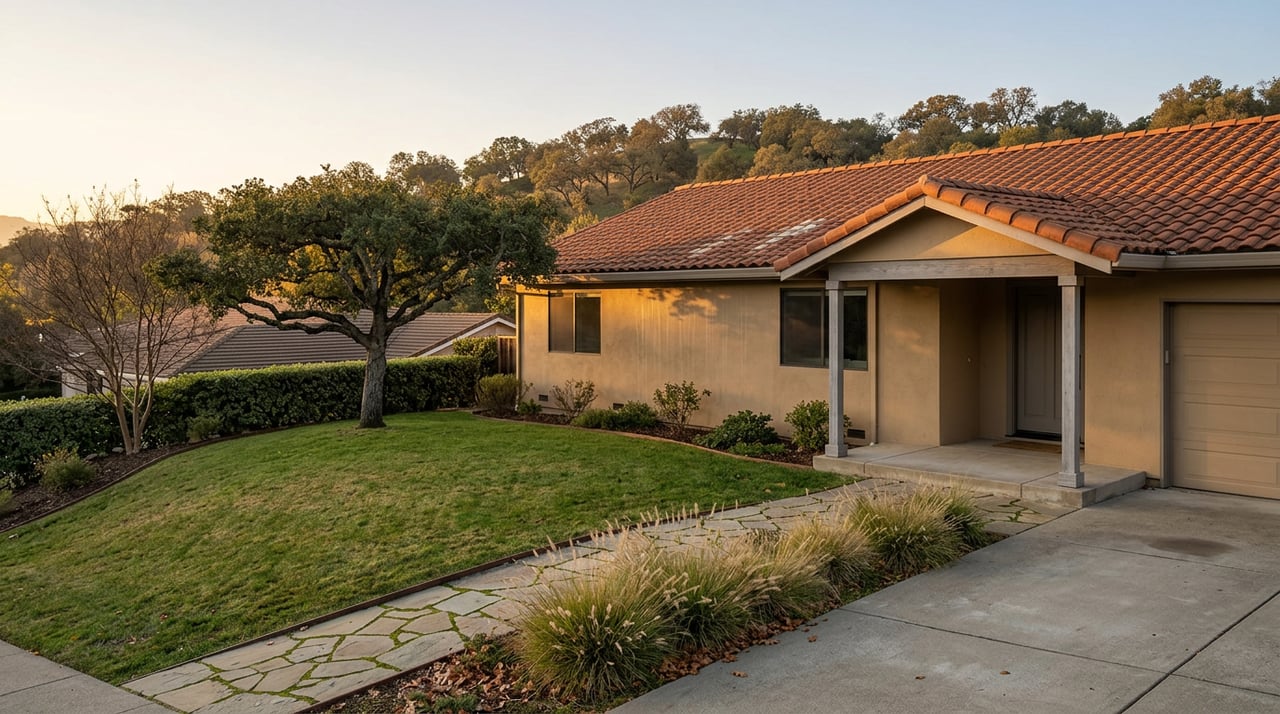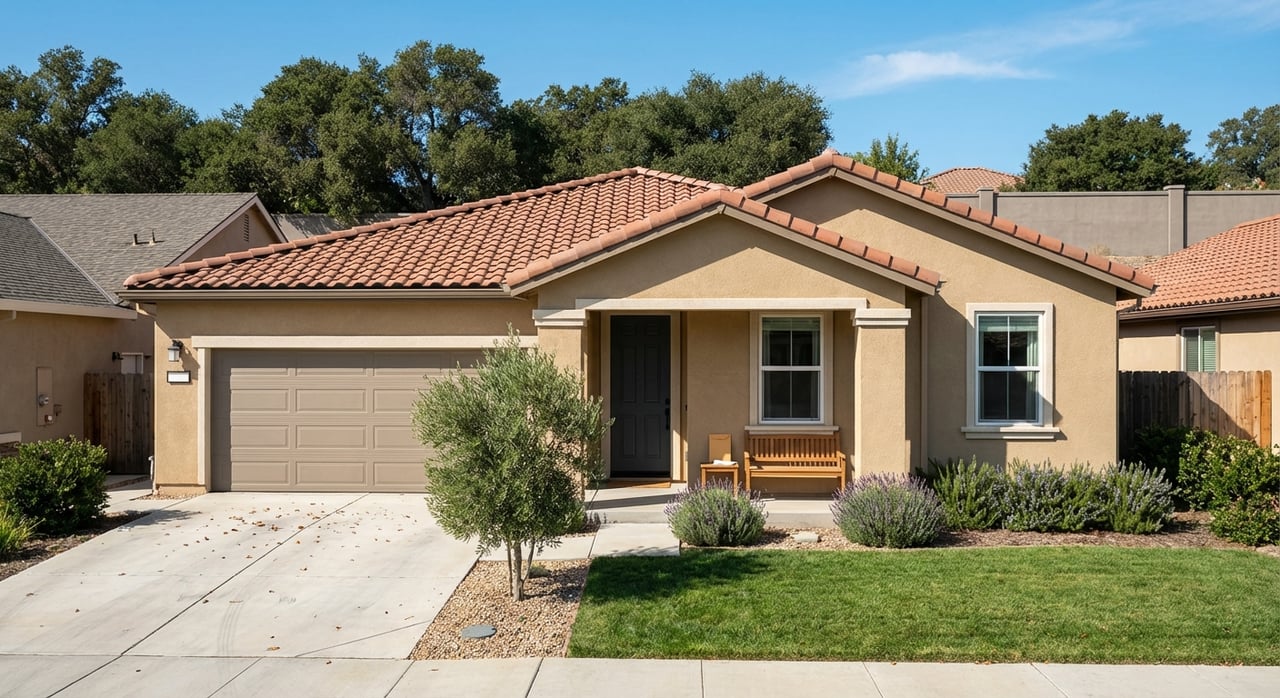
Is Concord your path to homeownership in the East Bay? If you want more space and a shorter commute without San Francisco or Walnut Creek prices, you are not alone. As a first-time buyer, you might be wondering how much to budget, which neighborhoods to consider, and how to compete when the home you love gets multiple offers. This guide breaks down today’s prices, timelines, financing options, assistance programs, and local strategies so you can move with confidence. Let’s dive in.
Concord market at a glance
Concord is one of the more attainable entry points in the East Bay, but it is still competitive. Recent market snapshots show a median sale price near $680,000 as of January 2026, while the typical home value sits around $716,566 based on data through late 2025. Homes often go pending in about a month, with many well-priced listings drawing more than one offer.
What this means for you: solid preparation matters. A strong pre-approval, quick decision-making, and clean terms can make the difference between getting the keys or starting over.
Where first-time buyers look
You will see a range of options in Concord:
- Single-family homes across postwar and later tracts, with a wide price spread by neighborhood and condition.
- Townhomes and condos near BART and downtown that trade below many single-family homes and can help you enter the market sooner.
- Periodic below-market-rate (BMR) opportunities created through city programs and lotteries. For example, the city has coordinated BMR sales and down payment support through program partners. You can review a sample Concord BMR listing and process overview on the program administrator’s site at the Concord BMR page on MyHomeGateway.
Neighborhood price spread
Values vary block by block. Some pockets trend well above the city’s median, while older central areas and smaller condos can sit notably below it. Your best approach is to look at recent comparable sales for your specific target areas and property types, then set a budget range that fits your comfort level.
Commute and daily life
Concord has two BART stations that connect you to Walnut Creek, Oakland, and San Francisco. The County Connection bus network links neighborhoods, Diablo Valley College, and BART, which can reduce your reliance on a car. You can browse County Connection routes and rider updates on the County Connection site.
For schools, most of Concord is served by Mount Diablo Unified School District. Assignments depend on the property address and grade level. Use the district’s resource pages and boundary tools to verify schools for any home you consider. Start with the Contra Costa County school districts page to find district resources and links.
What you need to afford a home
Down payment and closing costs
Many first-time buyers use low-down-payment loans. Conventional programs may allow about 3 percent down for eligible first-time buyers. FHA financing typically allows 3.5 percent down with qualifying credit. In addition to your down payment, plan for closing costs of roughly 2 to 5 percent of the purchase price. These include lender fees, appraisal, title and escrow, and prepaid taxes and insurance.
Conforming vs. jumbo in 2026
Loan size affects interest rates and underwriting. Conforming loans fit within federal limits and often come with more favorable terms than jumbo loans. For 2026, the Federal Housing Finance Agency set a baseline conforming limit of $832,750 and a high-cost ceiling of $1,249,125. Many Bay Area counties use the higher limit. In Concord, a large share of entry-level purchases can still use conforming financing, but you should confirm your exact county and zip code limits with your lender. You can review the official announcement on the FHFA’s conforming loan limit page.
Help for first-time buyers: programs to know
These programs can lower your cash-to-close or monthly costs. Availability and rules change, so confirm details with the program administrator and a participating lender before you shop.
- City of Concord First-Time Homebuyer and BMR coordination. The city has offered first-time buyer assistance and BMR sales administered through partners. In some BMR contexts, buyers have seen coordinated awards around the $40,000 range. Review an example Concord BMR listing and lottery process on MyHomeGateway’s Concord BMR page.
- Contra Costa County and local agency assistance. Counties and cities sometimes offer deferred or forgivable second loans through programs funded by sources like CalHOME, plus Mortgage Credit Certificates (MCCs) when available. Check current offerings and contacts on a local program page such as the Richmond Homebuyer Assistance resource, which lists county-administered options and counseling requirements.
- CalHFA statewide options. CalHFA’s MyHome program provides a deferred second loan up to a set percentage of your first mortgage type, and ZIP offers zero-interest assistance that can be paired with CalHFA first mortgages. These programs generally require homebuyer education and must be originated by a CalHFA-approved lender. Explore program features and education requirements on CalHFA’s MyHome overview.
How to stack programs:
- Confirm eligibility and income limits with the program administrator and a CalHFA-approved or locally approved lender.
- Complete required homebuyer education early to speed up financing.
- Get a pre-approval that reflects any assistance you plan to use, so your offer terms match your financing.
Step-by-step buying game plan
- Get financially ready. Review your credit, set a budget that includes mortgage, taxes, insurance, HOA if any, and a maintenance reserve. Save for your down payment plus roughly 2 to 5 percent for closing costs.
- Secure a full pre-approval. Ask a local lender to verify your income, assets, credit, and program eligibility. A verified pre-approval signals strength to sellers.
- Work with a local agent. Choose an agent who understands Concord micro-markets, BMR rules, and assistance programs. You want clear guidance on price trends, school boundaries, and transit tradeoffs.
- Tour with clear priorities. Decide how you will weigh commute, schools, lot size, and monthly costs. Watch new listings daily and be ready to see strong matches quickly.
- Write a competitive offer. Price is one lever, but terms matter too. Consider shorter contingency periods, clear appraisal language, and a solid earnest money deposit. Avoid risky moves that could expose you financially.
- Close escrow. Most financed purchases close in about 30 to 45 days. Build a buffer for potential appraisal conditions, underwriting questions, or repair negotiations.
Strategies to win in Concord
- Lead with financing certainty. A documented pre-approval and a responsive local lender who can speak to your file will help your offer stand out.
- Be precise with contingencies. If you shorten inspection or appraisal timelines, set realistic windows and keep protections that fit your risk tolerance. Consider appraisal gap language with clear caps rather than removing contingencies outright.
- Use escalation thoughtfully. An escalation clause can help in multiple-offer situations if written clearly and aligned with the seller’s instructions.
- Keep perspective on risk. Waiving inspections or financing protections increases your exposure. If you want to compete, consider an informational inspection before offering or a very short inspection period with a plan for common repairs.
Budget for taxes and fees
California’s property tax system limits annual increases in assessed value after purchase. The base rate is about 1 percent of assessed value, plus voter-approved local assessments and parcel taxes. Review the Legislative Analyst’s Office property tax primer to understand how your bill is calculated. Contra Costa County also provides an overview of supplemental bills, due dates, and special assessments. Check the seller’s most recent tax bill and your title report to identify any additional district or Mello-Roos charges. See the county’s tax and assessments FAQ for local guidance.
HOAs, inspections, and hazard disclosures
If you buy a condo or townhome, factor in HOA fees and review budgets, reserves, and rules during escrow. For any home, make sure you receive and read natural hazard disclosures that flag earthquake zones, flood risk, or other local conditions. Contra Costa County materials remind buyers to review special assessments and disclosures closely. The county’s FAQ page is a helpful starting point.
Schools and childcare: how to verify
Public school assignments in Concord are primarily through Mount Diablo Unified School District and depend on the property address and grade level. If schools are a priority for your household, verify the assigned schools for each home you consider using district boundary resources and then review performance information from official education sources. Start with the county’s district resource page for links to district sites and tools.
Final thoughts
Buying your first home in Concord is achievable with the right plan. The market moves quickly, but if you prepare your financing, focus on neighborhoods that fit your budget, and use assistance programs wisely, you can compete with confidence. Stay proactive, ask questions, and lean on local expertise when you craft your offer.
If you would like a tailored game plan and real-time data for your price range and priorities, connect with May Taliaferro Bell. Schedule a free consultation, and get a clear path from first tour to keys.
FAQs
What is the typical first-time buyer price in Concord?
- Recent snapshots show a median sale price near $680,000 and a typical home value around $716,566, with your final budget depending on property type and neighborhood.
How fast do homes sell in Concord right now?
- Many homes go pending in about a month, with popular listings drawing multiple offers, so having pre-approval and quick decision-making helps.
Which loans work well for first-time buyers in Concord?
- Many buyers use low-down-payment conventional loans or FHA financing, with FHA often allowing 3.5 percent down for qualifying credit profiles.
What are the 2026 conforming loan limits and why do they matter?
- The 2026 baseline conforming limit is $832,750 and the high-cost ceiling is $1,249,125, which affects whether your loan is conforming or jumbo and can influence your rate and terms; see the FHFA announcement for details.
Can I combine CalHFA with city or county assistance in Concord?
- Often yes, but it depends on the specific programs and your eligibility; confirm with a CalHFA-approved lender and the local program administrator before you write offers.
How much should I budget for closing costs in California?
- A general range is 2 to 5 percent of the purchase price, which covers lender fees, appraisal, title and escrow, plus prepaid taxes and insurance.
Does Concord have BART and local transit options for commuters?
- Yes, Concord has BART access and the County Connection bus network that links neighborhoods, Diablo Valley College, and key corridors; check County Connection for routes and updates.
How do I verify school assignments for a specific Concord address?
- Use district boundary lookup resources for Mount Diablo Unified School District and confirm assignments directly with the district before you make an offer.