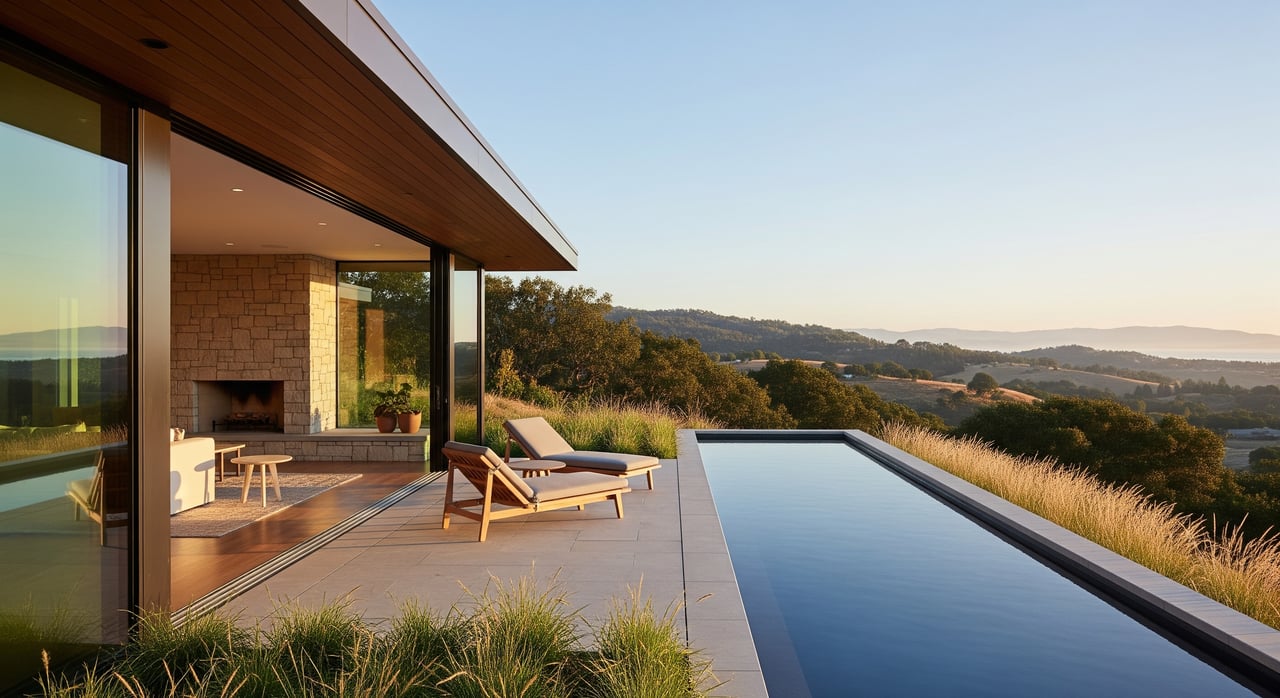
Imagine a quiet hillside town where morning hikes and quick BART rides bookend your day. If you want more space, top-rated public school options, and a slower pace than Oakland or San Francisco, Orinda may be a great fit. You will learn how daily life really feels here, from neighborhoods and schools to commute patterns and outdoor access. You will also get practical buyer tips for a smooth move. Let’s dive in.
Orinda at a glance
Orinda sits in the East Bay foothills just east of the Caldecott Tunnel. It is part of the Lamorinda trio with Lafayette and Moraga. The setting is green and hilly with a small downtown village, tree-lined neighborhoods, and a relaxed suburban feel. You will find a strong civic spirit and a focus on schools and open space.
For city services, programs, and local updates, explore the City of Orinda official site.
Daily life and amenities
Most everyday errands happen around Orinda Village near Moraga Way. You will find cafés, casual restaurants, boutiques, services, the library, and City Hall. The scale is small and easy to navigate. Evenings are calm compared with larger suburban centers.
For bigger shopping runs or a wider restaurant mix, residents often head to nearby Lafayette or Walnut Creek along Highway 24. That balance lets you enjoy a quieter home base with quick access to more retail choices.
Schools and family life
Public schools are a major draw in Orinda. District schools in the Lamorinda area are known to perform well on statewide metrics. If schools are a priority, review current data and boundaries before you shop for a home.
- Check Orinda K–8 details on the Orinda Union School District site.
- For high school information, visit the Acalanes Union High School District.
- To see statewide reports and performance metrics, use the California Department of Education resources.
Local life also includes recreation programs, youth sports, and community arts. The historic Orinda Theatre hosts events, and school activities add to the community rhythm.
Parks and outdoor access
Outdoor time is a big perk of living here. Hills, trail networks, and nearby regional parks make hiking and biking part of everyday life. Within town, you will find neighborhood parks, school fields, and green spaces for weekend play. Many residents choose Orinda for that quick transition from front door to trails.
Homes and neighborhoods
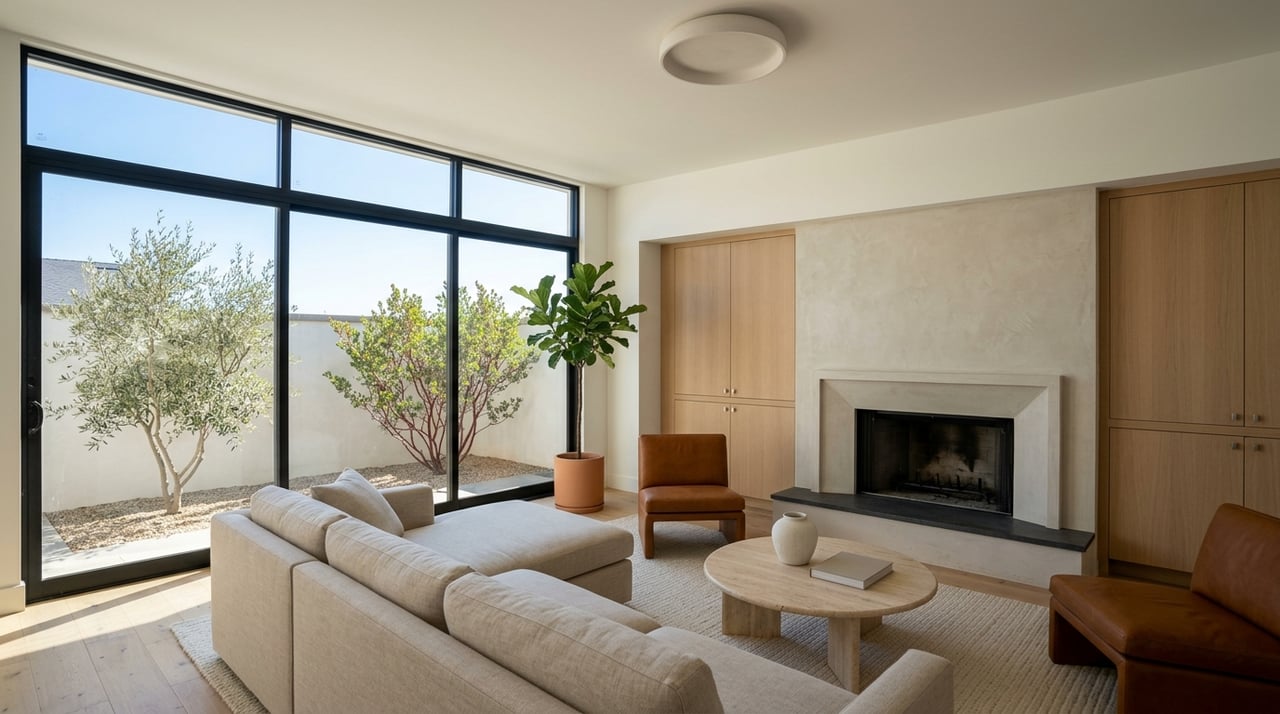
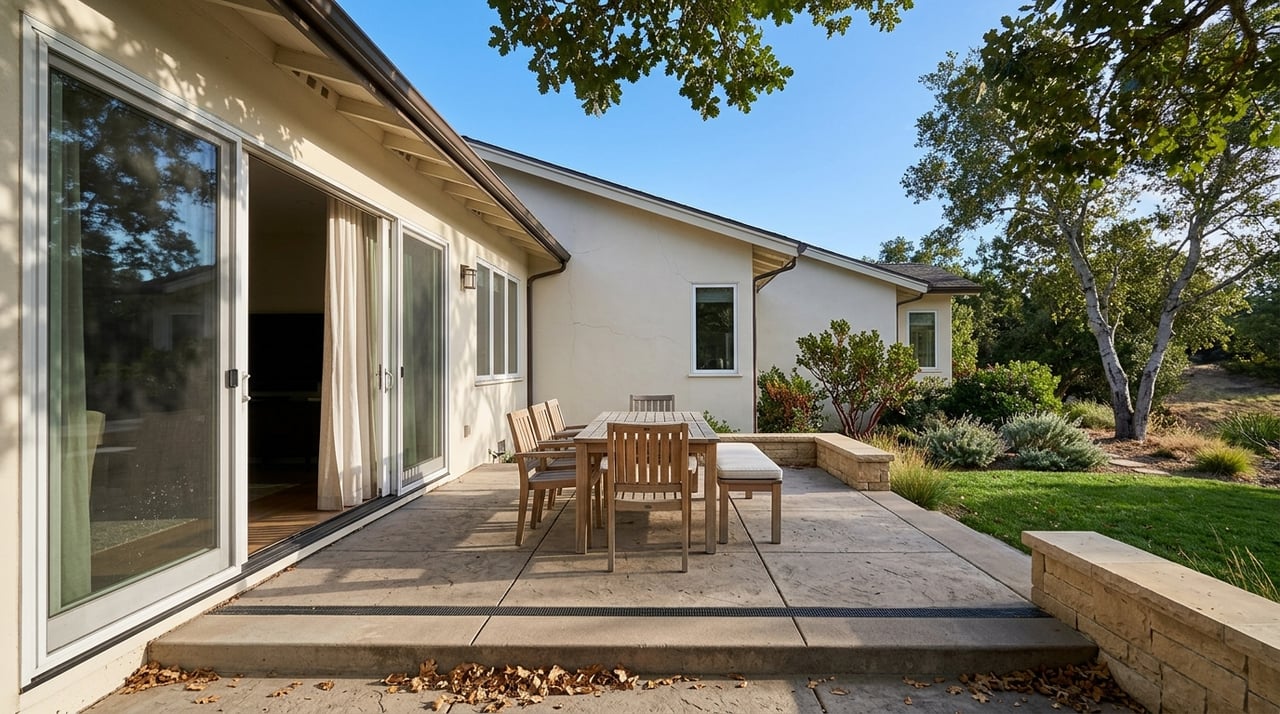
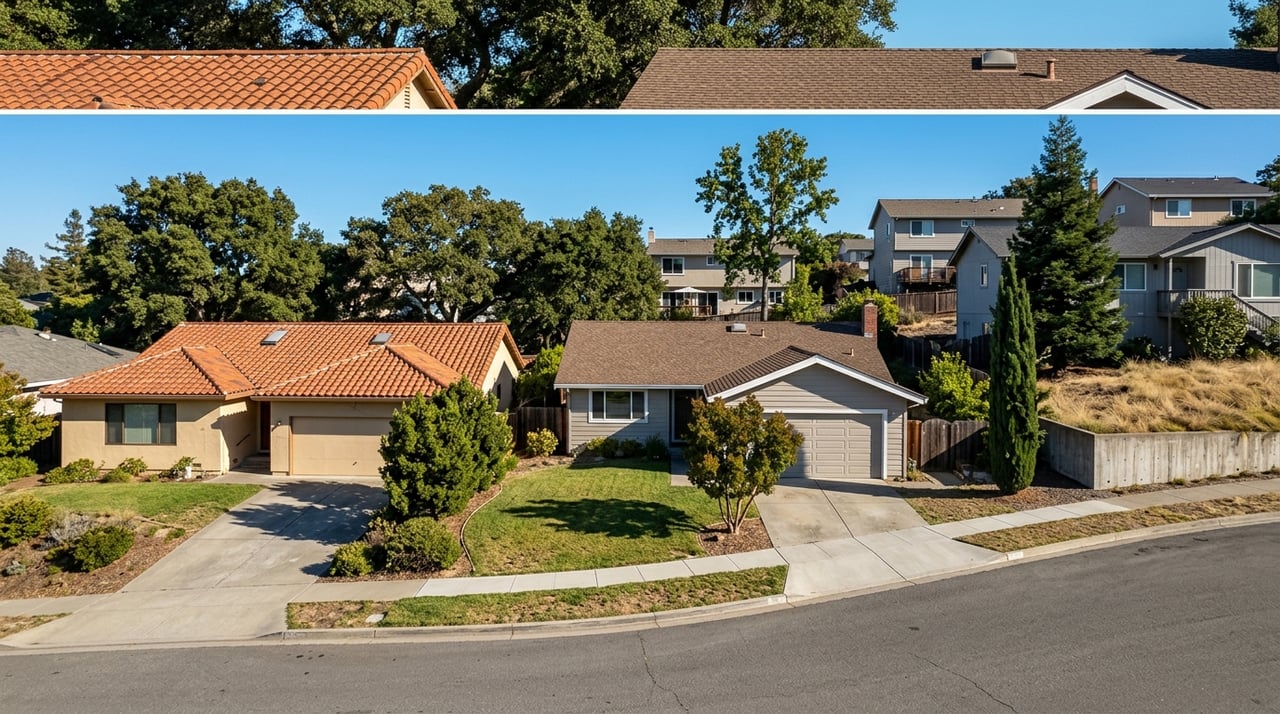
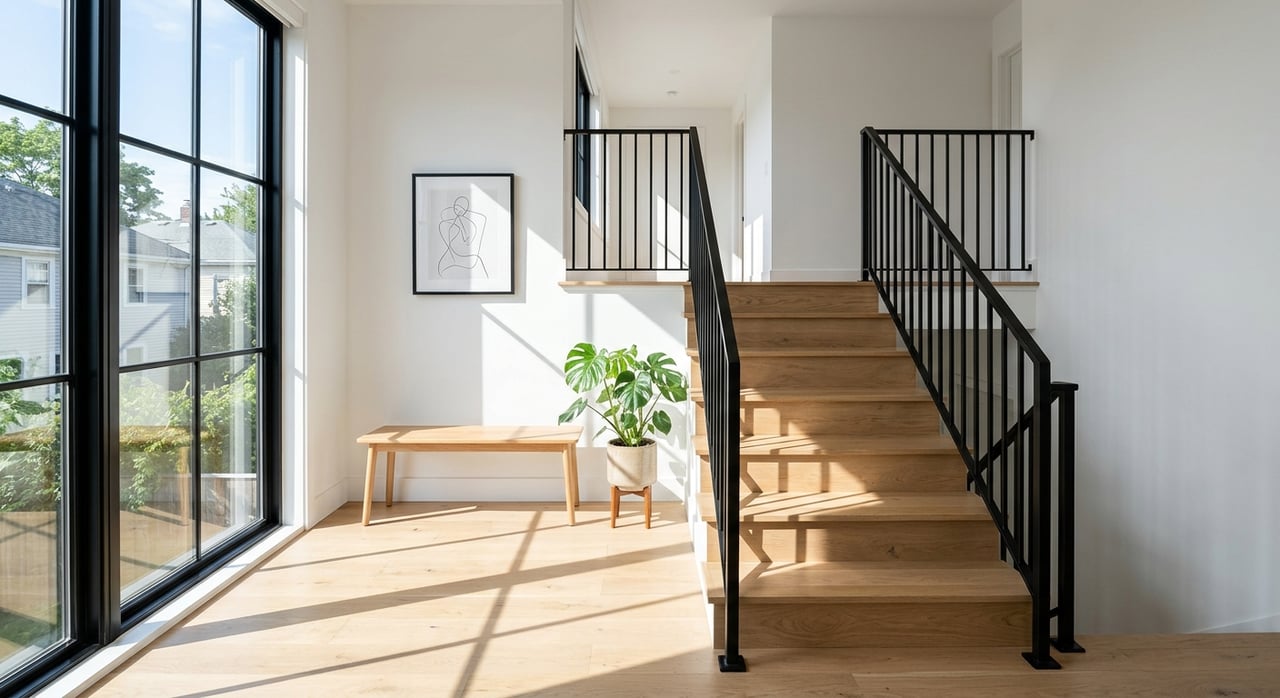
Orinda is primarily single-family homes. You will see mid-century ranches, California contemporaries, and newer rebuilds or remodels. Lot sizes and topography vary widely by neighborhood. Expect some homes with hillside settings, multi-level layouts, and longer driveways.
There are a handful of small condo and apartment communities, but they make up a smaller share of housing than single-family homes. If you want a yard and privacy, you will have many options. If you prefer lock-and-leave living, inventory is more limited and moves quickly.
Cost and market context
Orinda is an upper-tier East Bay market. Many single-family homes list above one million dollars, and competition can be strong. Prices shift with inventory, interest rates, and seasonality, so anchor your search with up-to-date local data and recent comparable sales.
Renovation is common. Original mid-century homes often need updates. If you are considering a remodel or expansion, factor in hillside engineering, drainage, and foundation work. Those items can add cost and time compared with projects on flat lots.
Getting around and your commute
Highway 24 links Orinda to Oakland and Berkeley through the Caldecott Tunnel, then on to San Francisco via the Bay Bridge. Local streets are winding, and peak traffic near the tunnel can affect drive times. If you want a reliable alternative, Orinda’s BART station offers direct access to Oakland and San Francisco job centers. Check schedules and trip planners on BART’s official site as you compare commute scenarios.
Common patterns include:
- BART to downtown San Francisco for office days.
- Shorter BART rides or drives to Oakland and Berkeley.
- Drives to Walnut Creek or other Contra Costa job centers.
Commute times vary by time of day, weather, and incidents. Test your route during your typical travel window before you commit to a neighborhood.
Is Orinda a fit? Quick checklist
Ask yourself:
- Do I want a quiet, small-town environment with limited nightlife?
- Is access to strong public school options a top priority?
- Will I benefit from a BART station for my commute, or do I prefer driving via Highway 24?
- Am I comfortable with premium home prices and competitive bidding?
- Do I need level lots and single-level living, or can I manage hillside and multi-level layouts?
Practical tips for buyers
Fire and earthquake readiness
Orinda’s hillside setting means wildfire preparedness matters. Review hazard maps, defensible-space guidance, and local programs on Cal Fire. For county-level emergency planning and alerts, start with Contra Costa County.
For older homes, ask about seismic retrofits, foundation condition, and drainage. Include these items in your inspection plan and your budget.
Utilities, taxes, and services
Water, sewer, waste collection, and electricity providers can differ by neighborhood. Confirm utility providers and any private road or community maintenance obligations during your contingency period. Property taxes follow county rules, and some homes carry special assessments. Verify details at the parcel level through county records.
Walkability and mobility
Walkability clusters around the village and the BART station areas. Many hillside neighborhoods are car dependent for errands and school drop-offs. To compare micro-areas, use a walkability tool like Walk Score and confirm by visiting at different times of day.
Insurance and financing
Homeowners insurance can vary by property characteristics and wildfire exposure. Get quotes early so you understand coverage requirements and costs. For higher-priced homes, prepare for jumbo financing norms and work with a lender familiar with East Bay appraisals.
Pros and cons vs nearby cities
Every East Bay town trades different strengths. Here is how Orinda often stacks up.
- Quieter pace vs. more dining and shopping in Lafayette and Walnut Creek. You get calm neighborhoods and quick access to bigger retail hubs a short drive away.
- Strong public school options vs. a smaller nightlife scene. Orinda’s evenings are low-key, which many residents prefer.
- Hillside charm and privacy vs. steeper lots and multi-level homes. Decide what terrain and maintenance level you want.
- BART access and Highway 24 convenience vs. tunnel-dependent traffic. Try both transit and driving before you choose a location.
Ready to explore homes in Orinda?
If Orinda’s blend of hills, schools, and commuter convenience fits your goals, you deserve a calm, well-planned search. I pair local Lamorinda expertise with Compass-backed marketing and data to help you move with confidence. Let’s map neighborhoods, tour homes, and build a strategy that fits your budget and timeline. Connect with May Taliaferro Bell to schedule a free consultation.
FAQs
What is daily life like in Orinda?
- Expect a small-town rhythm with village-scale errands, a quiet evening scene, and quick access to parks and trails for hiking and biking.
Which public school districts serve Orinda?
- Elementary and middle schools are under the Orinda Union School District, and high schools are within the Acalanes Union High School District. Review current boundaries and performance on the California Department of Education site.
How can I commute from Orinda to San Francisco or Oakland?
- Use the Orinda BART station for direct access to Oakland and San Francisco, or drive via Highway 24 and the Caldecott Tunnel. Check live schedules on BART’s official site and test drive times during your typical commute.
What kinds of homes will I find in Orinda?
- Mostly single-family homes, including mid-century ranches, California contemporaries, and newer rebuilds. Many properties sit on hillsides, so expect multi-level layouts and varied lot sizes.
What should I know about wildfire and earthquakes in Orinda?
- Orinda is in the East Bay hills where wildfire preparedness and evacuation planning are important. Review hazard maps and guidance on Cal Fire and find county emergency resources through Contra Costa County.
Is Orinda walkable for daily errands?
- Walkability concentrates near Orinda Village and the BART station. Many neighborhoods are car dependent due to hills. Compare locations with Walk Score and by visiting in person.