If you are weighing a move to Dublin because of your commute, you are not alone. Many East Bay buyers look to Dublin for its mix of newer housing, regional access, and two BART stations. You want practical answers about time, cost, and neighborhood fit before you decide. In this guide, you will get a clear look at transit options, freeway realities, and which Dublin areas pair best with common commute patterns. Let’s dive in.
Where Dublin fits in the East Bay
Dublin sits at the I-580 and I-680 crossroads at the eastern edge of Alameda County. That location makes it a natural hub for trips west into Oakland and Berkeley, north or south along I-680, and for regional links across the Tri-Valley. City planning materials treat Dublin as a Tri-Valley node with growth near transit and master-planned neighborhoods in the east. You can review the city’s housing element for a high-level map of where denser and single-family areas are planned in the years ahead. City of Dublin housing element
Commute options at a glance
- BART to Oakland and San Francisco: Two stations, frequent peak service, predictable travel times once you are on the train.
- Local rapid buses: LAVTA Rapid routes 10R and 30R link BART with Pleasanton, Livermore, and Las Positas College, which makes multi-modal commutes practical inside the Tri-Valley. LAVTA Rapid overview
- Driving via I-580 and I-680: Direct access to both corridors with express lanes that can reduce travel-time variability for a fee and a FasTrak tag. Alameda CTC express lanes
What your commute might look like from Dublin
American Community Survey estimates place Dublin’s mean one-way commute at about 35.9 minutes. That average spans all modes and job locations. ACS QuickFacts estimate
For a rail-based commute, planning studies cite about 45 minutes on BART from the Dublin/Pleasanton terminal to downtown San Francisco’s Embarcadero Station. Your door-to-door time will be longer once you add walking, waiting, and any transfers. Always check the BART trip planner for your exact time of day. BART planning reference
If you are driving to Oakland or the South Bay, expect variability. Off-peak trips can be quick, but peak congestion, incidents, and weather can extend times. Express lanes on I-580 and the I-680 Sunol corridor can improve reliability if you use FasTrak and follow carpool rules. Express lane program details
Choose your Dublin neighborhood by commute style
BART-first commuter
If you work in downtown San Francisco or downtown Oakland and prefer transit, prioritize the areas closest to Dublin/Pleasanton or West Dublin/Pleasanton stations. The Transit Area and central Dublin north of I-580 offer denser, walkable options and a short first or last mile to rail. Reducing your reliance on station parking can make your routine simpler. For station access planning context, see BART’s Dublin/Pleasanton access materials. Station access plan
Freeway-first driver
If your job is in the South Bay or a location not well served by BART, look for neighborhoods with quick onramps to I-680 or I-580. Eastern and northeastern master-planned areas offer newer single-family homes and townhomes with straightforward car access. You will trade a longer walk to BART for faster freeway reach. If you expect to use toll lanes, factor in the cost and FasTrak requirements. Express lane rules and hours
Tri-Valley and Livermore Lab commuter
If your work is inside the Tri-Valley, including Lawrence Livermore National Laboratory or Las Positas College, the combination of BART plus LAVTA Rapid routes 10R and 30R works well. Many Dublin neighborhoods can pair a short drive, bike ride, or walk to BART with a frequent bus connection on the other end. LAVTA Rapid service
Driving realities and tools
Peak-hour driving on I-580 and I-680 can be slow, and incidents can ripple across both corridors. Build a buffer if your arrival time is strict. To improve reliability:
- Use express lanes when value makes sense. Carpool occupancy and a FasTrak or FasTrak Flex tag are required. Toll rates vary by time and demand. Program overview
- Know your onramps. Quick access to either corridor can save minutes daily.
- Plan a backup route. Surface streets and alternate connectors can help when there is a major freeway incident.
Transit details that matter
Two BART stations and parking
Dublin has both Dublin/Pleasanton and West Dublin/Pleasanton stations. Many commuters drive and park before boarding. The Dublin/Pleasanton terminal has one of the largest parking supplies in the system, yet weekday lots often fill early. Check permit options and daily availability before you commit to a park-and-ride routine. BART station access plan
Early hours and service changes
If you ride very early, be aware that BART has offered Early Bird Express bus connections during periods when rail service starts later. Schedules evolve, so check bulletins before you rely on them. Early Bird Express info
Local rapid buses inside the Tri-Valley
LAVTA’s Rapid 10R and 30R provide frequent all-day service that connects BART with Pleasanton and Livermore. This network can make door-to-door trip planning more flexible if your workplace is not right next to a rail station. Rapid route details
Housing snapshot and tradeoffs
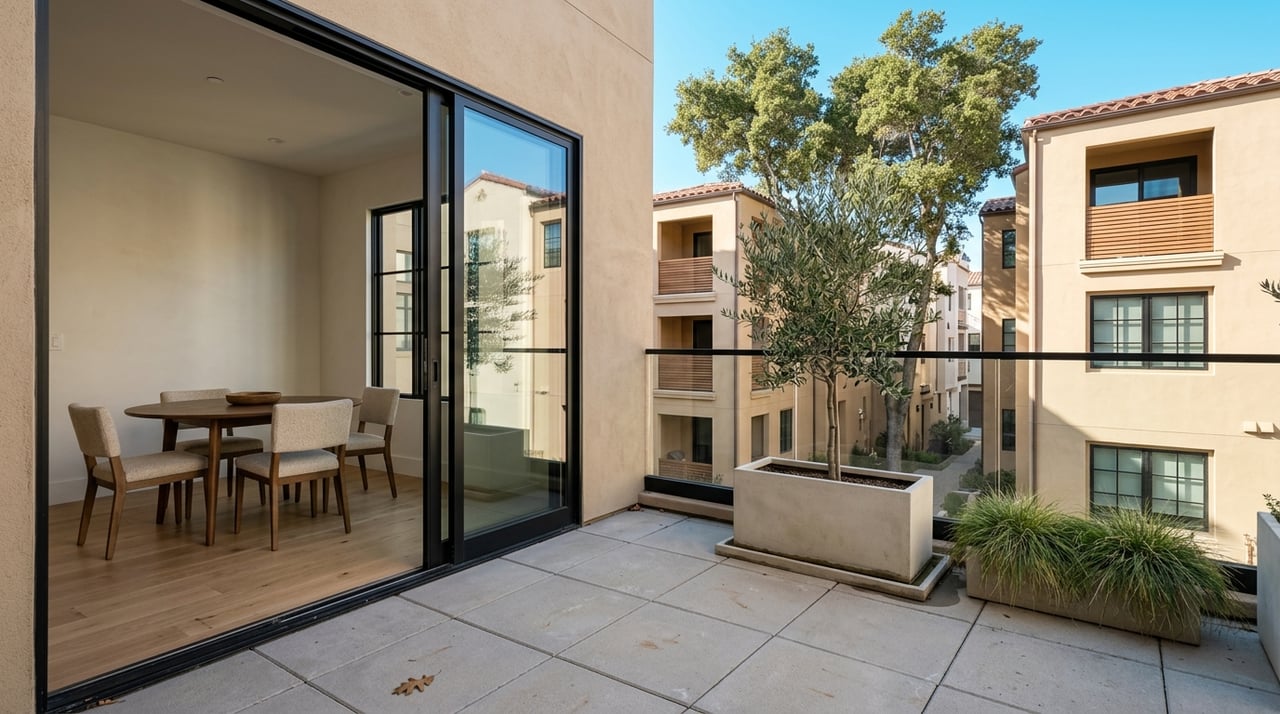
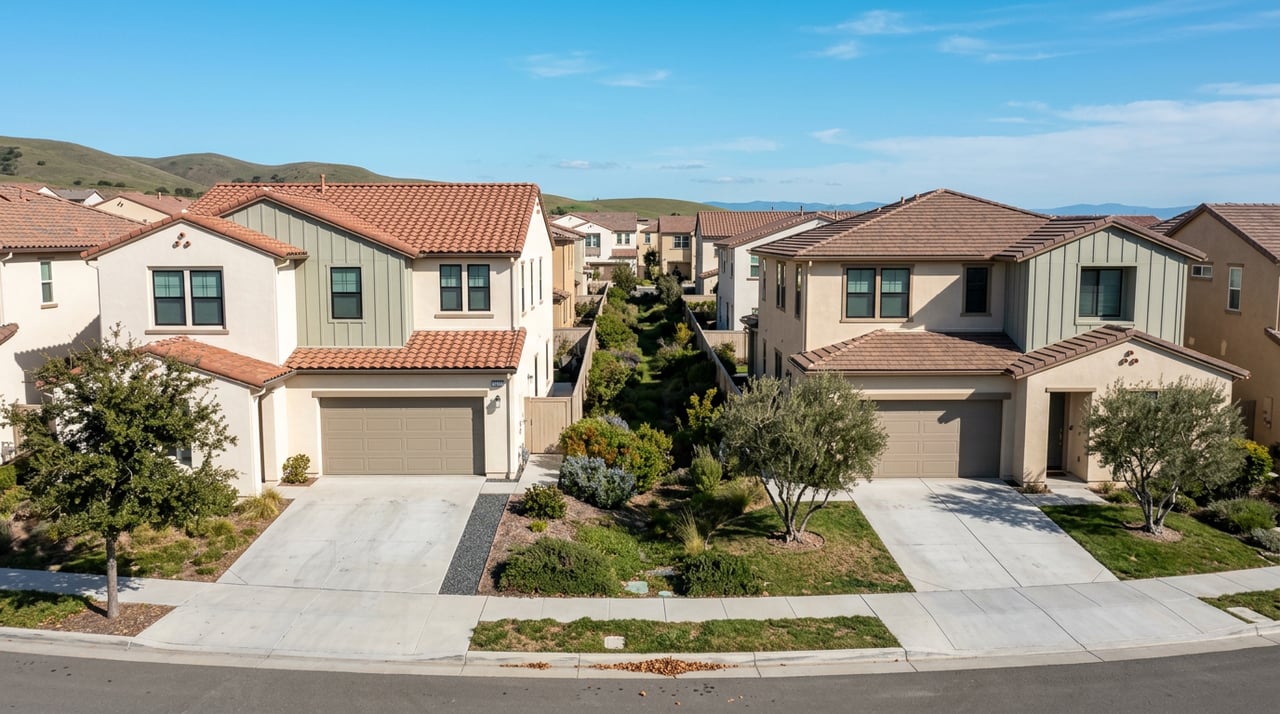
Dublin’s housing mix spans transit-oriented condos and apartments near the stations and larger single-family homes and townhomes in newer master-planned communities to the east and northeast. City planning documents outline where denser projects and new neighborhoods are concentrated. Dublin housing element overview
Recent market snapshots place typical home values in the low to mid 1.2 million range, with average rents in the low to mid 3,000s per month. These figures move with the market, so recheck current numbers when you are ready to shop. The right neighborhood for you will balance commute time, housing type, and budget.
Is Dublin the right hub for your commute?
Dublin is a strong fit if you:
- Prefer a predictable BART ride into downtown Oakland or San Francisco and can live near one of the two stations.
- Need flexible freeway access to the South Bay and value newer housing with quick I-580 or I-680 access.
- Work inside the Tri-Valley and can combine BART with Rapid buses for a simple multi-modal plan.
You may want to reconsider if you:
- Need a daily drive to a transit-poor Peninsula site across multiple congested corridors.
- Must keep your one-way trip under about 30 minutes to a specific worksite with little tolerance for variability.
The bottom line: expect a 30 to 50 minute window for many common Dublin commute corridors, use BART for reliability into downtowns, and lean on express lanes when driving time matters most. BART planning reference
Ready to map commute times to specific Dublin neighborhoods and listings that fit your budget and lifestyle? Let’s build a plan that saves you time every day. Connect with May Taliaferro Bell for a free consultation.
FAQs
How long does BART from Dublin to downtown San Francisco take?
- Planning studies cite about 45 minutes from Dublin/Pleasanton to Embarcadero once you are on the train. Door-to-door time varies with walking, waiting, and transfers. Source
Is it faster to drive from Dublin to downtown Oakland than to take BART?
- Off-peak, driving can be quicker, but peak congestion is variable. Many choose BART for reliability when their destination is near a station. Weigh parking costs and time at your destination.
What should I know about using I-580 and I-680 express lanes from Dublin?
- You need FasTrak or FasTrak Flex, and carpool vehicles can qualify for toll-free or discounted travel when properly declared. Toll hours, rates, and rules vary. Express lane info
Does parking fill up at the Dublin/Pleasanton BART station?
- Yes, weekday lots often fill early even though the station has a large parking supply. Check permit options and arrival times before you rely on driving to BART. Station access plan
Which Dublin neighborhoods are best for a BART-first commute?
- Look in the Transit Area and central Dublin near Dublin Boulevard for walkable access to the Dublin/Pleasanton station, and near the West Dublin/Pleasanton station for shorter first or last miles. Access plan context
What is the average one-way commute time for Dublin residents?
- The American Community Survey estimates about 35.9 minutes on average across all modes and destinations. ACS QuickFacts estimate