Wondering whether a townhome or a house makes more sense in Pleasant Hill? You are not alone. In a market where detached homes are more common but attached options can open the door to a lower price point, the right choice often comes down to how you want to live, what you want to spend each month, and how much flexibility you need over time. This guide will help you weigh the real trade-offs so you can move forward with more clarity. Let’s dive in.
Why this choice matters in Pleasant Hill
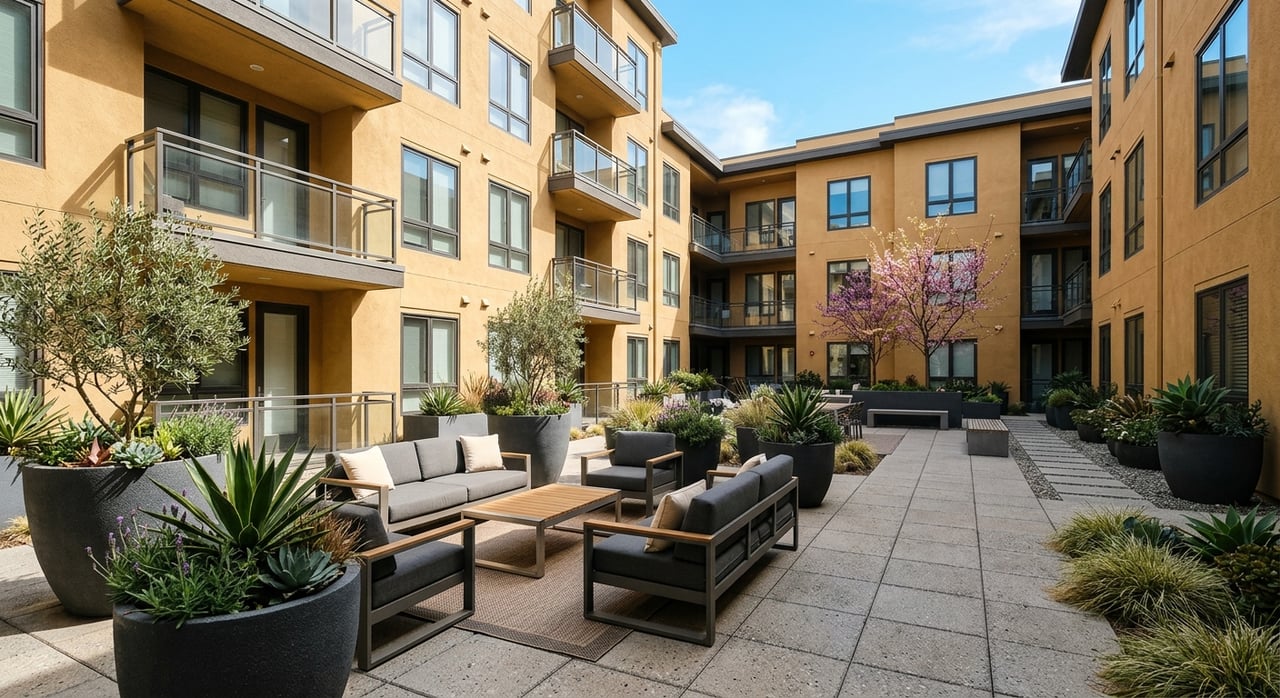
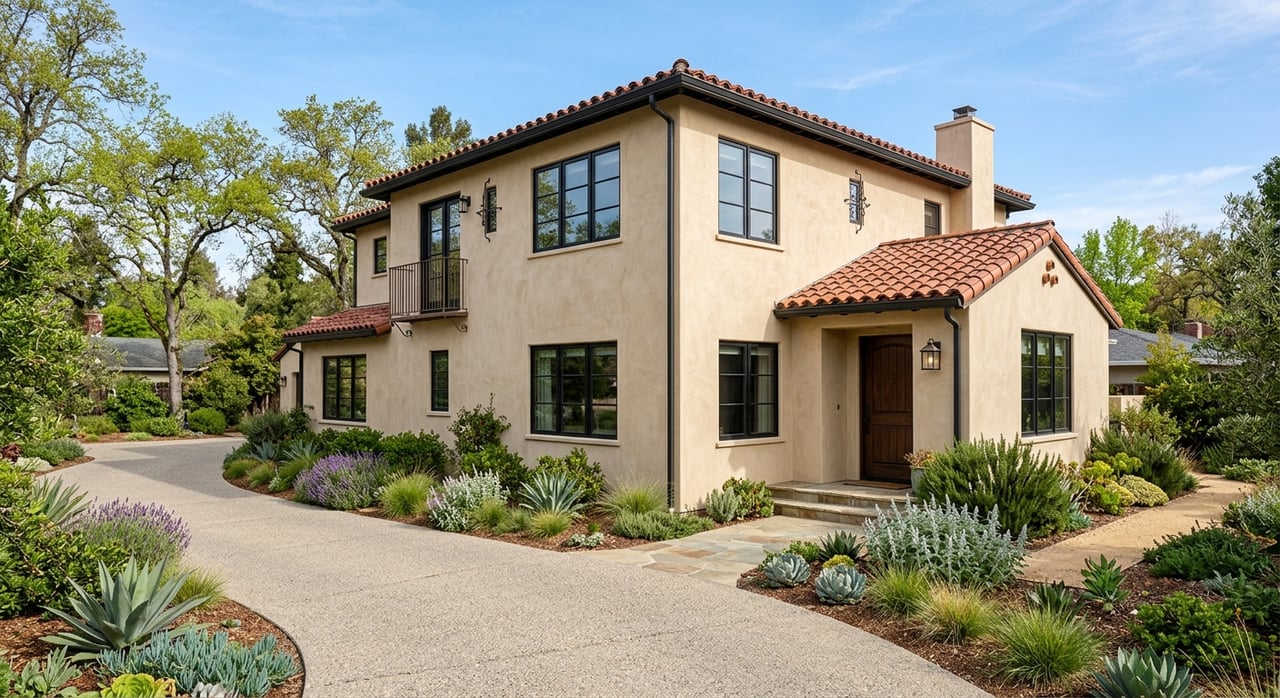
Pleasant Hill has a housing mix that reflects how the city grew over time. The city began with more single-family development and later added higher-density housing near downtown and transit, which helps explain why both houses and townhomes show up in the market today.
That mix creates a practical question for buyers. If you want more space and privacy, a house may feel like the obvious fit. If you want a more manageable footprint and a lower entry price than many detached homes, a townhome may deserve a closer look.
Current listing data shows the difference in inventory is meaningful. As of May 24, 2026, Zillow showed far more single-family homes than townhomes in Pleasant Hill, while Realtor.com reported a median listing price of $899.9K and 27 median days on market. Zillow also reported an average home value of $1,000,859 and homes going pending in about 13 days, though cross-site numbers should be treated as directional rather than exact.
Pleasant Hill prices at a glance
Price is often the first filter, and Pleasant Hill gives buyers a noticeable spread between attached and detached options.
Zillow’s current house listings in Pleasant Hill ranged from about $739K to $2.298M, with many examples in the $900Ks to mid-$1Ms. Townhome listings ranged from about $615K to $925K, with examples around 1,272 to 1,500 square feet.
That does not mean a townhome is always the better value or that a house is always out of reach. It means the price gap can be large enough to change what is realistic for your budget, especially if you are balancing down payment, monthly payment, and long-term maintenance.
Understand ownership before you compare
One of the biggest mistakes buyers make is assuming the home style tells them everything about ownership. In California, a common interest development can include a detached house, a townhouse, or a condo.
What matters is the legal structure and the governing documents. The California Department of Real Estate explains that CC&Rs set the rules for common area, assessments, insurance requirements, and architectural controls. So before you decide that a townhome means more restrictions or that a house means complete freedom, you need to read what the documents actually say.
Townhome costs versus house costs
A lower purchase price does not always mean a lower total monthly cost. That is why it helps to compare carrying cost, not just list price.
With a townhome, your monthly payment may include HOA dues. Those dues help fund daily operations and long-term reserves, and the California DRE notes that assessment levels can affect affordability and even your financial qualifications.
With a detached house, you may not have HOA dues, or you may have lower dues depending on the community. But you are usually the one setting aside money for repairs, upkeep, and large replacement items over time.
A simple way to compare monthly cost
When you look at a townhome and a house side by side, compare:
- Mortgage payment
- Property taxes
- Insurance obligations
- HOA dues, if any
- Your own maintenance reserve
- Utilities and any recurring exterior costs
For many buyers, the real question is not “Do I want an HOA?” It is “Would I rather pay shared monthly dues, or manage and self-fund more of the upkeep myself?”
What HOA fees really mean
HOA dues are not just another bill. They are part of how a common interest development operates.
The California DRE explains that regular assessments fund operating costs and reserve needs. Special assessments can be used for major repairs, replacements, or unexpected expenses. That means a low monthly HOA fee is not automatically a win if reserves are weak or major work is coming.
California law also gives buyers important disclosure protections. Sellers must provide governing documents before transfer, and associations must distribute an annual budget report that includes reserve information. In general, a board cannot raise regular assessments by more than 20% above the prior year or impose certain larger special assessments above 5% of budgeted gross expenses without member approval.
Questions to ask about HOA dues
Before you buy a Pleasant Hill townhome, ask:
- What is the current HOA fee?
- What does the fee cover?
- How much money is in reserves?
- Have there been recent special assessments?
- Are major repairs expected soon?
- How often have dues increased?
Those answers can tell you a lot about both affordability and risk.
Maintenance and freedom are major trade-offs
Lifestyle matters just as much as math. In many cases, a townhome appeals to buyers who want less exterior maintenance and a more predictable shared-maintenance setup.
A detached house often appeals to buyers who want more privacy, more direct control over the yard, and more room for pets, hobbies, or future changes. But that extra freedom usually comes with more personal responsibility.
What townhome buyers should verify
If you are considering a townhome, look closely at who maintains:
- Roofs
- Siding
- Fences
- Patios
- Landscaping
- Driveways
- Parking areas
The DRE notes that even exclusive-use areas like yards, driveways, or parking spaces can be part of the common-interest structure. So do not rely on appearances alone.
What house buyers should verify
If you are leaning toward a house, confirm:
- Whether there is an HOA at all
- Whether the HOA maintains any shared features
- Whether exterior changes need approval
- What you will be fully responsible for after closing
A detached home may offer more room to personalize, but you should still confirm the maintenance split in the disclosure packet.
Remodeling rules can affect your decision
This is where many buyers get surprised. In a townhome community, visible changes are often reviewed by the association.
That can affect repainting, fencing, landscaping, patio changes, and other exterior updates. If you know you want to customize quickly or make visible design changes, that review process may feel limiting.
A house often gives you more freedom to make updates, especially on your own lot. Still, in a planned development, architectural rules can apply to detached homes too. The safest move is to verify the rules before you fall in love with the property.
Inventory scarcity matters too
In Pleasant Hill, this decision is not only about lifestyle. It is also about availability.
The current market has noticeably thinner townhome inventory than detached-home inventory. That means if you decide a townhome is your best fit, you may have fewer choices and may need to move quickly when the right one appears.
On the flip side, the larger pool of detached homes may give you more variety in layout, lot size, and neighborhood setting. If your wish list is very specific, that added selection can matter.
How to decide what fits you best
The best choice usually becomes clearer when you think about your next few years, not just your next few months.
A townhome may fit better if you want:
- A lower price point than many detached homes
- Less exterior upkeep
- A smaller, more manageable footprint
- Shared maintenance for certain common elements
- A more predictable structure for some property expenses
A house may fit better if you want:
- More privacy
- More yard control
- More flexibility for visible changes
- More room for storage, hobbies, or future needs
- Fewer shared rules, depending on the community
Neither option is automatically better. The goal is to match the home type to your budget, comfort level, and day-to-day priorities.
A smart Pleasant Hill buying checklist
Before choosing between a townhome and a house in Pleasant Hill, make sure you can answer these questions with confidence:
- Is the price gap large enough to change your monthly budget in a meaningful way?
- If the home has an HOA, what exactly do the dues cover?
- Are reserves healthy, or could a special assessment be more likely?
- Who handles roofs, siding, fences, patios, and landscaping?
- Do the CC&Rs match your expectations for privacy, parking, and remodeling freedom?
- Are you comfortable with the current inventory and how quickly homes may move?
When you look at the full picture, your decision usually gets much easier.
Whether you are drawn to the simplicity of a townhome or the flexibility of a house, the right move in Pleasant Hill comes from understanding both the numbers and the ownership details before you write an offer. If you want clear, patient guidance as you compare your options in the East Bay, May Taliaferro Bell can help you evaluate the trade-offs and move forward with confidence.
FAQs
What is the main difference between a Pleasant Hill townhome and a house?
- The biggest difference is often the ownership structure and maintenance setup, not just the building style. A townhome is commonly part of a common interest development with HOA rules and assessments, while a house may offer more direct control but can still be part of an HOA depending on the community.
Are townhomes in Pleasant Hill usually cheaper than houses?
- Current Pleasant Hill listings suggest townhomes often list below detached houses. Zillow showed townhomes roughly from $615K to $925K, while houses ranged from about $739K to $2.298M, with many detached options in the $900Ks to mid-$1Ms.
Do all Pleasant Hill townhomes have HOA fees?
- Many do, but the key issue is the legal structure, not just the home style. In California, buyers should review the CC&Rs and disclosure packet to confirm dues, maintenance responsibilities, insurance obligations, and architectural rules.
What should Pleasant Hill buyers ask about an HOA before buying a townhome?
- You should ask what the fee is, what it covers, how strong the reserves are, whether there have been special assessments, and who handles major components like roofs, siding, fences, patios, and landscaping.
Is a detached house in Pleasant Hill always easier to remodel than a townhome?
- Not always. A detached house often offers more flexibility, but some detached homes are still part of common interest developments with architectural controls, so buyers should verify the rules before closing.
Is townhome inventory limited in Pleasant Hill?
- Yes, current listing data suggests townhome inventory is noticeably thinner than detached-home inventory. That can mean fewer choices and more compromise if you decide an attached home is the best fit for your budget and lifestyle.